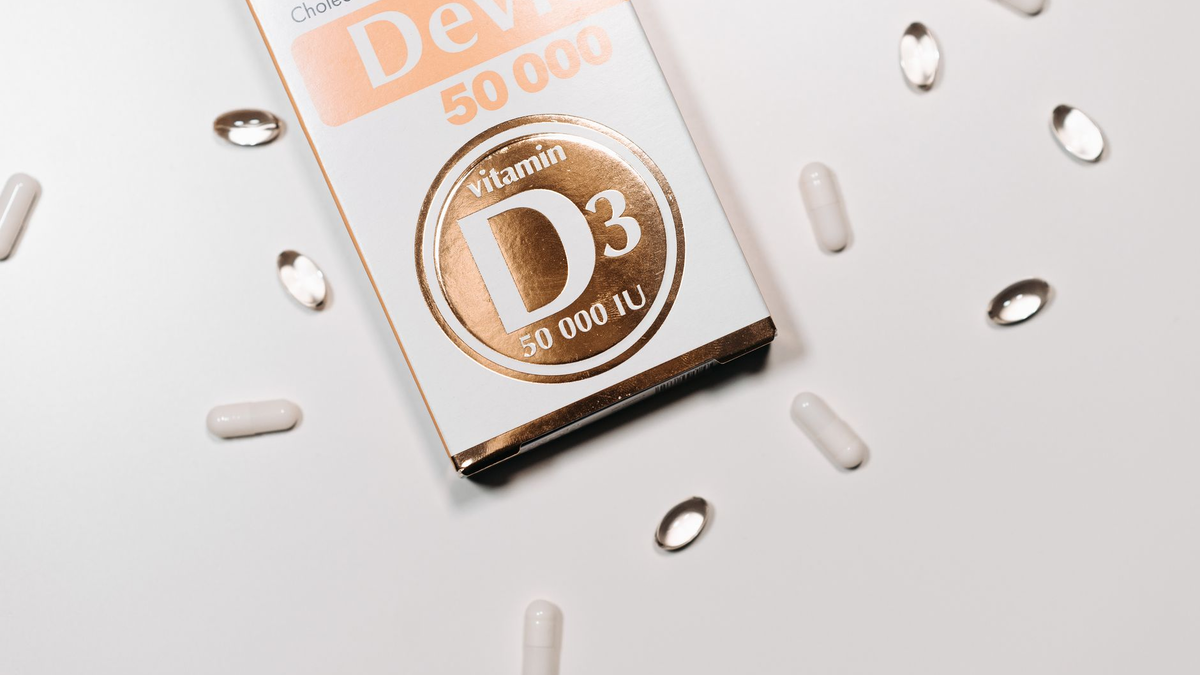
Stanford's Five Supplement Myths, Turned Into a Safer Buying Checklist
Table of Contents
Stanford Medicine’s supplement myth-busting piece lands on a question a lot of people quietly ask in the vitamin aisle: am I being careful, or am I just guessing with nicer packaging?
That’s the useful frame here. Not “supplements are bad.” Not “everyone needs a stack.” More like this: before you buy the next bottle, what belief is pushing you toward it?
Stanford’s experts called out five common assumptions - that everyone needs supplements, natural means safe, pills can stand in for food and lifestyle, more is better, and supplements can fix nearly everything. Those myths don’t mean targeted supplements are pointless. They can be genuinely useful for documented deficiencies, restricted diets, pregnancy or prenatal care, certain conditions, reduced intake after bariatric surgery or GLP-1-related appetite changes, and clinician-guided needs (the unglamorous cases are often the real ones).
But if the reason is vague - energy, immunity, aging, “just in case” - slow down. A better first step is a short buying checklist and, when needed, a sharper conversation with your doctor or pharmacist.
Myth 1: “Everyone should take something” #
Plenty of people do need a supplement at some point. A vegan diet may call for vitamin B12 planning. Pregnancy usually changes the conversation around prenatal nutrients. Older adults, people with absorption issues, people eating very restricted diets, and people with diagnosed deficiencies may need targeted support.
But that’s different from assuming a multivitamin or random blend is automatic maintenance.
Stanford’s nutrition experts make the more boring, more useful point: supplements make the most sense when there’s a specific gap, life stage, dietary pattern, or condition-specific reason. For many people eating a varied diet, a broad supplement habit may not add much. And for heart disease or cancer prevention in community-dwelling, nonpregnant adults, the U.S. Preventive Services Task Force recommends against beta-carotene or vitamin E and says evidence is insufficient for multivitamins or most other single or paired nutrients.
So the first question isn’t “what should I take?” It’s: what problem am I trying to solve, and do I have evidence that this product matches it?
Myth 2: “Natural means safe” #
Natural can mean many things. It doesn’t mean gentle, tested for your situation, or safe with your prescriptions.
NCCIH warns that supplements can interact with medicines and may pose risks for people with medical problems or those preparing for surgery. Stanford’s piece gives the kind of examples that matter in real life: vitamin K can interfere with blood thinners, and St. John’s wort can be dangerous with some antidepressants.
And this is where supplement shopping starts to look less like wellness browsing and more like a medication review (annoying, yes, but useful). If you take prescriptions, have a chronic condition, are pregnant or breastfeeding, are buying for a child, or have surgery coming up, don’t treat the label as the whole safety story.
Bring the bottle, the ingredient list, and the dose to a clinician or pharmacist. A five-minute check can catch problems a glossy front label never mentions.
For a deeper label-safety read, AMZ has covered why supplement labels are not the same as safety guarantees.
Myth 3: “A supplement can make up for diet, sleep, movement, and medical care” #
A pill can fill a nutrient gap. It can’t recreate a varied eating pattern, regular meals, adequate calories, sleep, movement, or needed medical evaluation.
That matters most when the claim is broad. “Supports energy” sounds harmless enough, but fatigue can come from sleep debt, low food intake, iron or B12 issues, medication effects, depression, thyroid disease, infection, pregnancy, heart problems, or other causes. Sometimes it’s a nutrient gap. Sometimes it’s not.
So, before buying an energy supplement, ask the less exciting questions first: Have I been eating enough? Sleeping? Taking a new medication? Restricting food groups? Losing weight without meaning to? Feeling short of breath, dizzy, unusually weak, or unwell?
And if symptoms are new, persistent, severe, or paired with red flags - chest pain, palpitations, fainting, jaundice, severe stomach symptoms, allergic swelling, or pregnancy-related concerns - that’s medical-evaluation territory, not supplement-trial territory.
Myth 4: “More is better” #
More feels logical. If a little helps, surely a higher dose works faster, right?
Not necessarily. Stanford flags concerns with excess vitamin B6, high-dose omega-3s in some people, retinoid-form vitamin A, and too much vitamin D. A Cochrane review of antioxidant supplements found no across-the-board mortality benefit and possible harm in some analyses and supplement groups.
The practical rule: don’t use dose as a proxy for quality.
High-potency formulas, mega-dose stacks, and multi-ingredient products deserve extra scrutiny, especially if you’re already getting the nutrient from fortified foods or another supplement. This is also where people accidentally double up - a multivitamin, a hair/nails product, an immune blend, and a sleep formula may share ingredients.
Worth doing before you buy: line up every supplement you take, read the Supplement Facts panels, and look for repeats. It sounds tedious. It is tedious (sorry). But it’s the kind of tedious that can prevent a very avoidable problem.
If a product leans heavily on “clinically studied” language, AMZ’s guide to supplement claim wording is a useful companion read.
Myth 5: “Supplements can fix everything” #
The bigger the promise, the more skeptical you should be.
Supplements in the U.S. are regulated differently from drugs. FDA explains that dietary supplements are generally not approved for safety and effectiveness before marketing. NCCIH also notes that supplement labels can’t claim to diagnose, treat, cure, mitigate, or prevent disease. If a product sounds like it’s doing drug work - curing arthritis, preventing cancer, treating depression, reversing diabetes - that’s a reason to step back.
This doesn’t mean every structure/function claim is fake or illegal. “Supports bone health” and “treats osteoporosis” are not the same claim. But readers have to do the translation, because labels and ads are often written to sound more medical than they are.
One more thing: adverse events aren’t just theoretical. A nationally representative study published in the New England Journal of Medicine estimated about 23,000 U.S. emergency-department visits each year tied to dietary supplement adverse events. The surveillance data highlighted weight-loss and energy products among younger adults, along with swallowing problems among older adults.
For more on the FDA disclaimer side of this, see AMZ’s DSHEA supplement disclaimer explainer.
A safer buying checklist before the next bottle #
Use this as a quick pre-purchase filter. First, name the reason: deficiency, restricted diet, pregnancy or prenatal care, clinician recommendation, condition-specific use, or something vaguer. Then check whether the claim is a nutrient-gap claim or a disease claim.
Next, look for personal risk. Prescriptions, blood thinners, antidepressants, diabetes drugs, heart medicines, liver or kidney disease, cancer treatment, bleeding risk, upcoming surgery, pregnancy, breastfeeding, and children all change the safety conversation.
Then scan for dose stacking. If you already take a multivitamin or fortified products, the new supplement may not be as “extra” as it looks.
Finally, be especially cautious with weight-loss, energy, sexual-performance, and bodybuilding products. NCCIH warns that some products in those categories have contained undisclosed prescription drugs or unsafe ingredients. Third-party verification from groups such as USP, NSF, or ConsumerLab can help with contents and contaminant confidence, but it doesn’t prove the supplement will improve a disease outcome.
If you’re an older adult, AMZ’s older-adult supplement checklist goes deeper on the medication and swallowing-risk side.
And if herbs are part of your routine, these AMZ interaction guides are worth keeping nearby:
What to ask your clinician or pharmacist #
You don’t need to make the appointment dramatic. Bring the exact product and ask plain questions:
Is there a documented reason I need this? Could this interact with my medications? Is this dose appropriate for me? Should we test for a deficiency before I take it long term? Should I stop it before surgery? Is this safe for pregnancy, breastfeeding, or my child’s age? Could my symptom be something that needs evaluation instead?
Those questions keep supplements in the right lane. Sometimes the answer will be yes, a targeted product makes sense. Sometimes the better answer is testing, food changes, medication review, or leaving the bottle on the shelf.
Bottom line: Stanford’s five myths aren’t a reason to throw out every supplement. They’re a reminder to stop treating the aisle like a guessing game. Buy for a real reason, check your personal risks, avoid mega-dose logic, and ask for help when the claim starts sounding like medicine.
Related

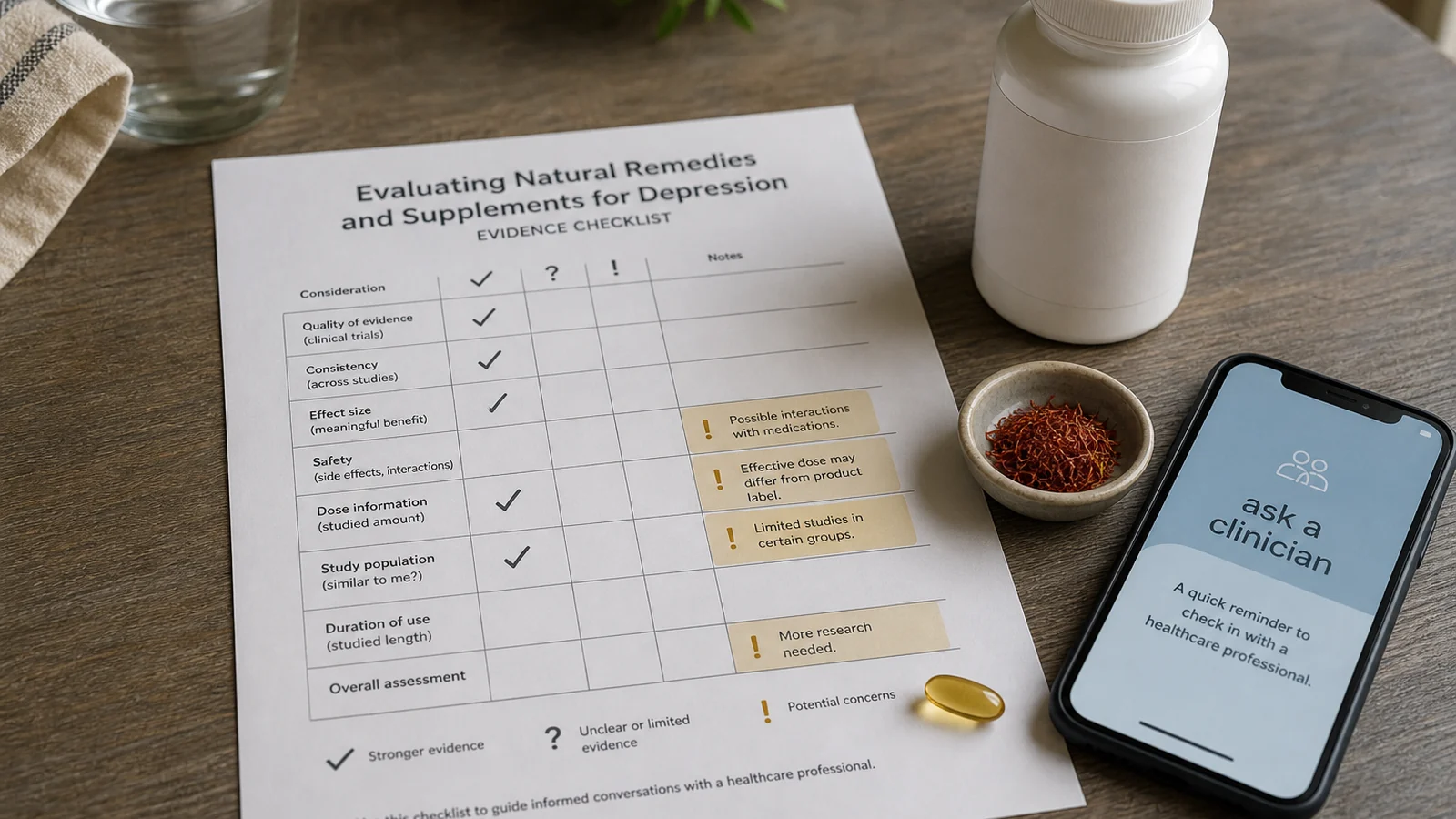


The Older-Adult Supplement Checklist Is Shorter Than the Ads Suggest