
The Older-Adult Supplement Checklist Is Shorter Than the Ads Suggest
Table of Contents
Aging changes the supplement conversation. It just doesn’t turn every bottle in the vitamin aisle into a good idea.
That’s the part marketing tends to blur. Absorption can change. Diet can narrow. Medications can interfere. Bone health, kidney function, and fall risk can all change the calculation.
But “older adults may need more attention to certain nutrients” is not the same as “everyone over 60 needs a daily stack.” The National Institute on Aging points older adults toward calcium, vitamin D, B6, B12, and other nutrients worth discussing, while also warning that supplements can cause side effects, interact with medicines, or simply not work.
So the best older-adult supplement checklist is shorter, and more personal, than the ads suggest.
Start with the boring question: what gap are you filling? #
A supplement should have a job. Not a vague wellness aura. A job.
Maybe it fills a diet gap. Maybe it helps correct a lab-confirmed deficiency. Maybe it fits a clinician’s plan for osteoporosis, malabsorption, GI surgery, vegan eating, low appetite, or medication-related depletion. Those are different conversations from “I heard this prevents aging.”
And food still comes first when food can do the job. NIH’s multivitamin/mineral guidance frames MVMs as possible gap-fillers, not replacements for a varied diet or regular medical care. Older adults do use these products heavily: NIH ODS notes that 39.4% of adults age 60 and older used an MVM in NHANES 2017-2018.
High use doesn’t prove high benefit, though. It mostly proves a lot of people are trying to make a sensible decision in a noisy aisle (with labels doing them very few favors).
B12 is one of the clearest “ask about it” nutrients #
If there’s a nutrient that deserves real attention after midlife, vitamin B12 is near the top of the list.
B12 is needed for red blood cell formation, nervous system function, and DNA synthesis. Deficiency can cause anemia and neurologic symptoms, and NIH warns that neurologic damage can become irreversible if deficiency isn’t diagnosed and treated early.
The older-adult wrinkle is absorption. Vitamin B12 in food has to be released from protein during digestion, and age-related stomach changes can make that harder. NIH ODS notes that atrophic gastritis affects about 8% to 9% of adults age 65 and older and can reduce absorption of food-bound B12. Fortified foods and supplements don’t depend on that same food-release step in quite the same way.
So yes, B12 can be a genuinely useful supplement topic after 50. Especially for vegans, vegetarians, people who eat little animal food, people with GI surgery or absorption problems, and people taking medications such as metformin or proton pump inhibitors.
But here’s the line not to cross: B12 adequacy isn’t the same as a universal energy hack. If someone is deficient, treatment can matter a lot. If someone already has normal B12 status, the research pack does not support selling B12 as a general “energy boost” for seniors.
And if deficiency is suspected, self-treating symptoms with a random bottle is not the safest move. Numbness, tingling, balance problems, memory changes, anemia, or severe fatigue should be a clinician conversation, not a supplement experiment.
Vitamin D and calcium: important, but not magic fracture insurance #
Vitamin D and calcium are where the nuance gets annoying.
Vitamin D helps the body absorb calcium and supports bone mineralization. Calcium is a structural mineral for bones and teeth. NIH ODS lists the vitamin D recommended dietary allowance for adults older than 70 as 800 IU per day, and calcium needs generally run around 1,000 to 1,200 mg per day depending on age and sex.
That sounds like an easy “take the pills” story (the kind supplement ads love). It isn’t.
Adequate intake supports bone health. Routine supplementation, by itself, has not reliably prevented falls or fractures in generally healthy community-dwelling older adults without known osteoporosis, vitamin D deficiency, prior fracture, high fall risk, or institutional-care context.
USPSTF guidance is cautious here. Its fracture-prevention recommendation does not support routine low-dose vitamin D and calcium for primary fracture prevention in community-dwelling postmenopausal women, and its 2024 draft update says vitamin D with or without calcium does not prevent falls or fractures in community-dwelling adults 60 and older. Cochrane’s fracture review also found vitamin D alone was unlikely to prevent fractures in older people, while vitamin D plus calcium had small fracture benefits in some older populations but also increased gastrointestinal symptoms and renal disease.
So where does that leave real people? Count calcium from food first. Ask whether vitamin D intake, sun exposure, osteoporosis status, kidney disease, prior fractures, medications, and fall risk change the picture. And don’t assume more is safer. NIH lists an adult vitamin D upper limit of 4,000 IU per day, and calcium supplements can cause constipation, need timing around certain medicines, and contribute to kidney-stone risk in some evidence.
The practical sentence: vitamin D and calcium matter, but the reason to supplement should be adequacy or a clinician-directed risk plan - not a promise that pills prevent fractures.
Multivitamins can fill gaps, but they’re not disease shields #
A basic senior multivitamin can be reasonable for some people. It can also be a very expensive way to make urine brighter (not exactly the benefit people picture). Both things can be true.
NIH ODS notes that MVMs can improve nutrient adequacy. That can matter for people with low intake, limited diets, food insecurity, appetite changes, or difficulty eating a varied diet. Products marketed as “senior” formulas may also differ from standard adult formulas, although MVMs don’t have one fixed legal definition or standard formula.
But multivitamins are not proven shields against the big chronic diseases people fear most. USPSTF says evidence is insufficient for multivitamins or most single or paired nutrients to prevent cardiovascular disease or cancer. It recommends against beta-carotene or vitamin E supplements for prevention of cardiovascular disease or cancer.
There is one newer wrinkle worth mentioning carefully. NIH ODS summarizes COSMOS ancillary studies suggesting MVMs may help maintain or improve some cognitive test outcomes in older adults over one to three years. That’s interesting. It is not the same as proving multivitamins prevent dementia, reverse memory loss, or protect against Alzheimer’s disease.
But - and this is a big but - labels can also create safety issues. If you take warfarin, an MVM containing vitamin K can decrease warfarin’s effectiveness. If you smoke or used to smoke, NIH ODS cautions against MVMs with large amounts of beta-carotene or vitamin A because trials found increased lung cancer risk in smokers and asbestos-exposed people.
So the better question isn’t “Should every older adult take a multivitamin?” It’s “Does this exact product fill a gap without duplicating other supplements, conflicting with medications, or making disease-prevention promises the evidence doesn’t support?”
Magnesium is popular, but not universal #
Magnesium belongs in the “check the context” category, not the “everyone needs this” category.
Older adults can be at risk of magnesium inadequacy, and magnesium matters for hundreds of enzyme systems, along with nerve, muscle, bone, blood glucose, blood pressure, and heart-rhythm functions. Low intake is common enough that diet is worth discussing. Beans, nuts, seeds, whole grains, and leafy greens are not as flashy as a sleep gummy, but they count.
Still, the evidence does not support routine magnesium supplementation as a broad fix for diabetes, sleep, blood pressure, anxiety, or bone health in older adults. Safety is not trivial either. The adult upper limit for magnesium from supplements and medicines is 350 mg per day. That upper limit does not apply to magnesium naturally present in foods.
Supplemental magnesium can cause diarrhea, nausea, and cramping, and very high intakes from laxatives or antacids can cause dangerous toxicity. Kidney impairment raises the risk because the kidneys help clear magnesium.
So if someone has kidney disease, uses magnesium-containing laxatives or antacids, or takes multiple supplements, magnesium needs a pharmacist or clinician check. More is not automatically better (and in this case, “natural mineral” does not mean “risk-free”).
The claims on the bottle are not the same as proof #
Supplement labels can sound more clinical than they are.
FDA says dietary supplements generally do not need FDA approval before they are marketed. FDA also does not approve most supplement claims or labels before use, although it can take postmarket enforcement action and dietary supplements are still regulated under food and supplement rules.
A product on a shelf is not FDA-approved the way a drug is.
Structure/function claims are another trap for readers. A label can say something like “supports bone health” or “supports immune function” if it follows the relevant rules. That is not the same as proving the product prevents fractures, treats osteoporosis, prevents infections, cures fatigue, or reduces dementia risk.
A simple translation: “supports” may describe a nutrient’s normal role in the body. It does not automatically prove that taking extra supplement fixes a health problem.
Third-party seals can help with quality signals. NIA points readers toward groups such as USP, NSF, ConsumerLab, or the Natural Products Association as ways to learn more about product quality. But those seals are not proof that a supplement works for your goal. They are not a diagnosis either.
The clinician/pharmacist checklist to bring with you #
Before starting or changing supplements, especially after 60, bring a real list to a clinician, pharmacist, or dietitian. Not “a few vitamins.” The actual list.
Include the supplement name, brand, dose on the label, how often you take it, and why you’re taking it. Add prescription medicines, over-the-counter medicines, antacids, laxatives, sleep aids, aspirin, blood thinners, diabetes medicines, heart medicines, osteoporosis medicines, proton pump inhibitors, metformin, and any products you use only once in a while.
Also mention kidney disease, a history of kidney stones, osteoporosis or prior fractures, vegan or vegetarian eating, GI surgery, absorption problems, upcoming surgery, falls, unexplained fatigue, numbness or tingling, memory changes, and whether you’re taking warfarin or another medication where small changes matter.
And ask the blunt question: “Is this filling a real gap, and could it make any of my medicines too strong, too weak, or riskier?”
That’s a much better question than “Is this good for seniors?” Good for whom? With which labs? With which diet? With which medications? The details are the point.
Bottom line #
The supplement list older adults actually need is usually not a list of trendy pills. It’s a short set of questions.
B12 is worth real attention after 50, especially with vegan diets, low animal-food intake, GI issues, absorption problems, or metformin/PPI use. Vitamin D and calcium matter for adequacy and bone health, but routine pills are not proven fracture or fall insurance for generally healthy community-dwelling older adults. Multivitamins may fill gaps, and the cognition research is interesting, but they are not proven to prevent heart disease, cancer, death, or dementia. Magnesium may matter when intake is low or deficiency risk exists, but it is not a universal sleep, diabetes, blood pressure, or anxiety fix.
So don’t let supplement ads turn “ask about this” into “you must take this.” Bring the label, bring the medication list, and make the supplement earn its place.
Related
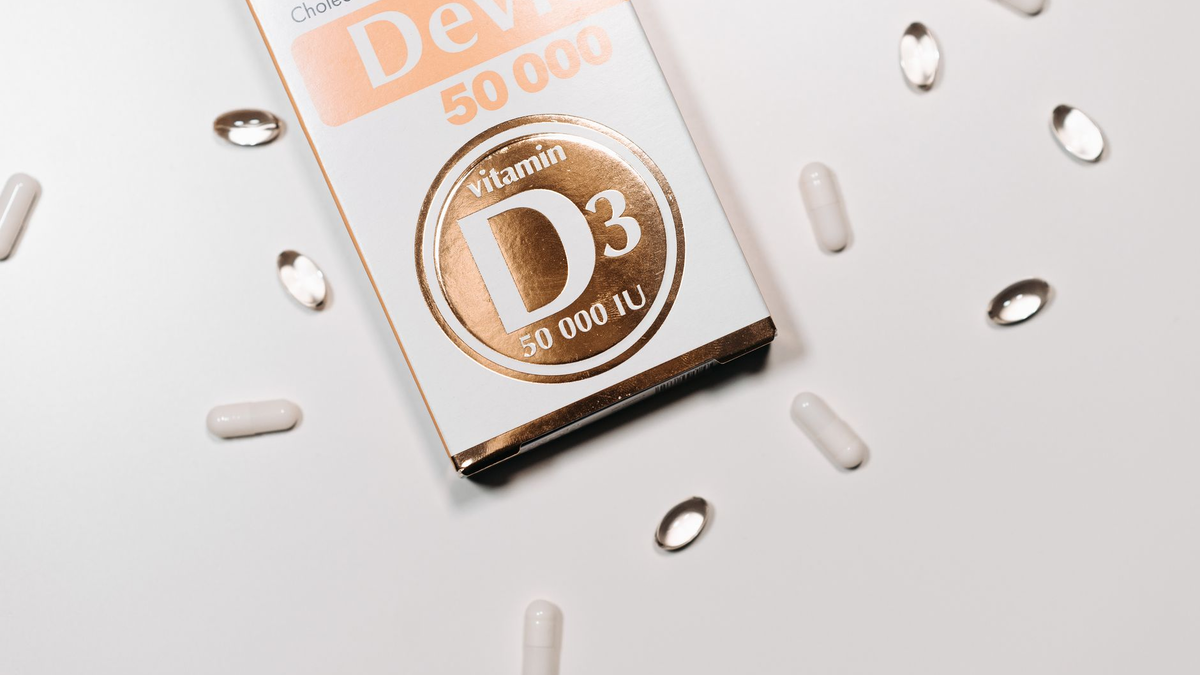
Vitamin D and Calcium Aren't Bone-Protection Insurance, New Evidence Says

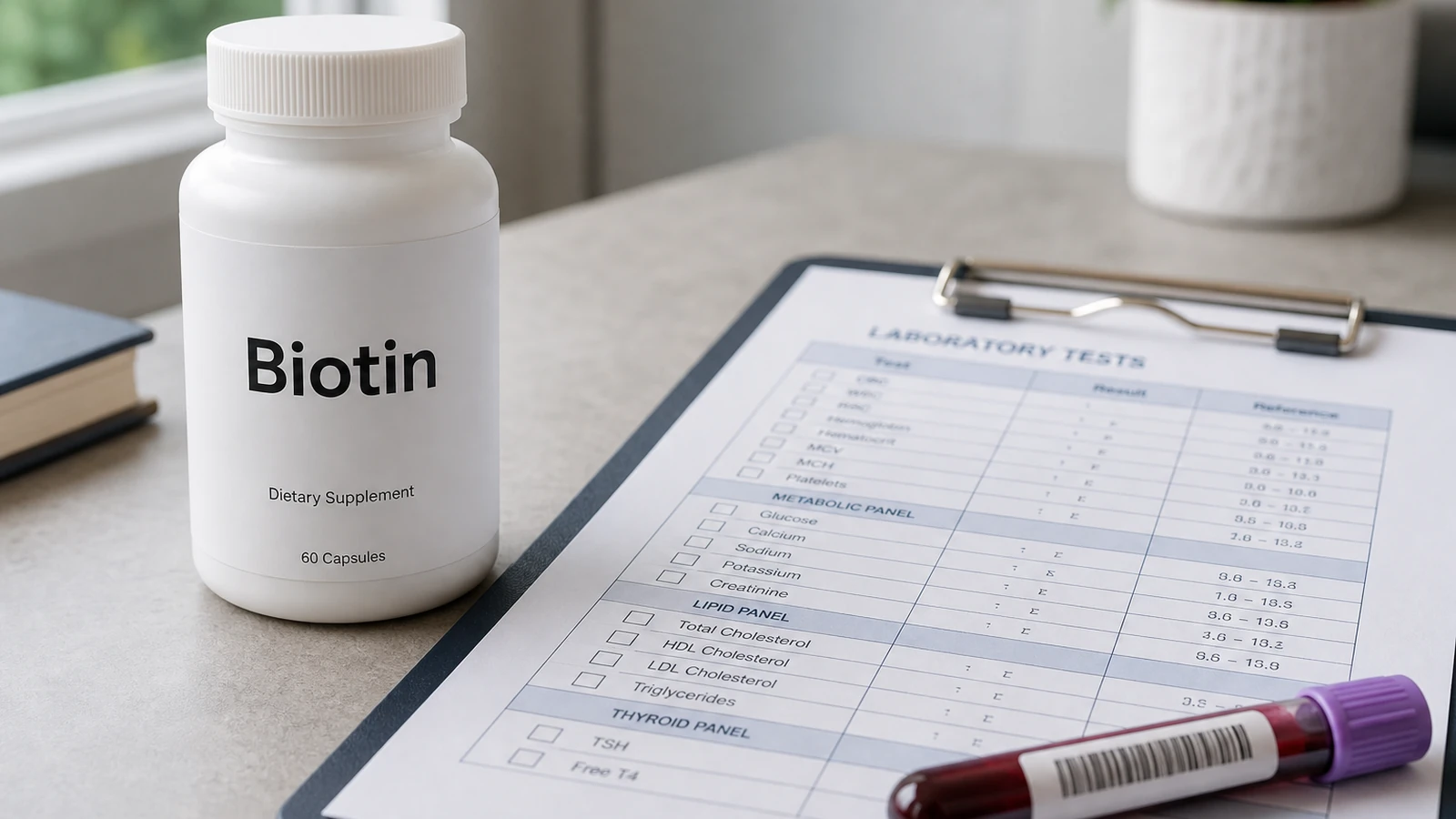
The Hair-Growth Supplement That Can Confuse Cancer Blood Tests