Natural Approaches for Depression: The Few With Real Evidence - and the Ones to Treat Carefully
Table of Contents
Depression is not the place for casual “try this instead” advice. If symptoms are severe, getting worse, linked to mania or psychosis, happening after childbirth, or include thoughts of self-harm, the right next step is professional help now - not a supplement cart and a comment thread.
That boundary matters because natural depression remedies sit in an awkward space. Some have real trial evidence. Some are plausible but undercooked. And some, especially St. John’s wort, can be both evidence-backed and genuinely risky when mixed with medication.
The viral version of this story is tempting: science tested dozens of natural remedies and only a few worked. But the specific “64 remedies” figure could not be verified in the research pass for this article. The stronger hook is still interesting, just less clicky: a 2025 Psychological Medicine systematic review and network meta-analysis compared 44 nutraceuticals across 192 trials and 17,437 patients with depressive disorder, and the better signals clustered around a short list rather than the whole supplement aisle (PubMed).
So here’s the useful question: which natural or complementary approaches have enough evidence to discuss seriously, and which ones come with cautions big enough to slow down?
Start with the distinction people usually skip #
“Natural remedy” is doing too much work here. A walking routine, saffron extract, St. John’s wort, vitamin D, probiotics, and omega-3 capsules are not the same kind of thing. They don’t have the same evidence base. They don’t carry the same risk. They also don’t fit into depression care the same way.
And that last part is important. In the 2025 nutraceutical review, several options looked more promising as add-ons to antidepressant treatment than as stand-alone fixes (PubMed). Adjunctive evidence does not mean “mix this with your antidepressant on your own.” It means that, in trials, the supplement was studied alongside standard treatment under a research protocol.
That’s a completely different thing from self-stacking three mood supplements because the internet said they’re natural.
Exercise has one of the stronger non-supplement evidence bases #
If you’re looking for the least supplement-shaped answer, exercise is the obvious place to start. Not because it’s easy to do when you’re depressed - often it isn’t - but because the evidence base is broader than it is for most natural products.
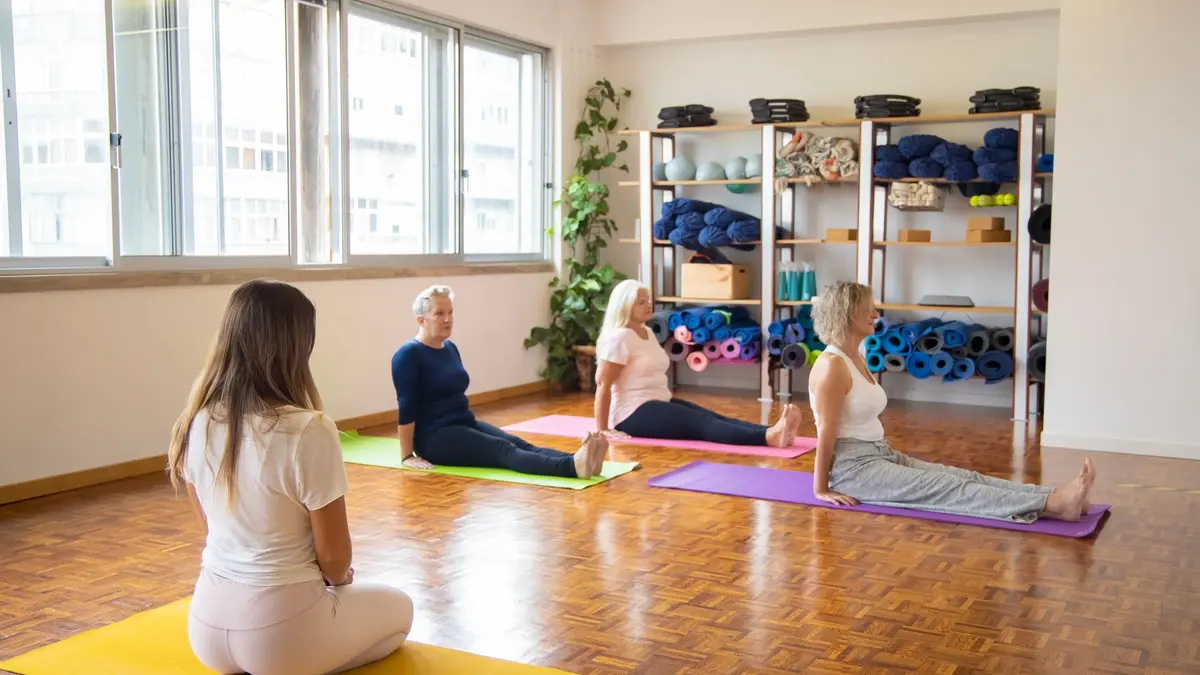
A 2024 BMJ systematic review and network meta-analysis looked at 218 studies with 14,170 participants and found that walking or jogging, yoga, strength training, mixed aerobic exercise, and tai chi or qigong were associated with moderate reductions in depressive symptoms versus active controls (PubMed). Higher intensity appeared to have larger effects in that analysis, too.
But there’s the catch, because of course there is: the review also rated certainty as low or very low for many exercise modalities, and only one study met Cochrane low-risk-of-bias criteria. That doesn’t make exercise useless. It means the honest claim is “better-supported than many options, useful for some people, and worth tailoring,” not “exercise cures depression.”
For someone barely functioning, “go work out” can sound almost insulting. A more practical frame is smaller: what movement is medically safe, tolerable, and repeatable this week? A walk around the block. A short strength session. A beginner yoga class. Physical therapy guidance if pain, disability, pregnancy, cardiac disease, severe fatigue, or chronic illness complicates things.
Because the best exercise plan is not the one that looks impressive online. It’s the one a real person can keep doing without making life worse.
St. John’s wort: evidence, yes - casual recommendation, no #
St. John’s wort is where the natural-health conversation gets uncomfortable. It has more clinical evidence than many herbs. It also has some of the most serious interaction warnings.
NCCIH says St. John’s wort may help with mild-to-moderate depression, but it is not consistently effective and should not replace conventional care (NCCIH). A Cochrane review of 29 trials involving 5,489 patients found that St. John’s wort performed better than placebo in many trials and appeared similar to standard antidepressants in some short-term comparisons, though the results were heterogeneous (PubMed).
That sounds promising. It is promising, in a narrow way.
But St. John’s wort can interact dangerously, sometimes in life-threatening ways, with many medicines. NCCIH warns that it can affect antidepressants and other drugs influenced by serotonin, along with birth control pills, anticoagulants, HIV medications, transplant medications, cancer drugs, heart medications, statins, and more (NCCIH). It may also be unsafe during pregnancy, and it can affect breastfeeding infants.
So the practical advice is blunt: don’t self-start St. John’s wort if you take prescription medication. Don’t combine it with antidepressants unless a qualified clinician specifically manages that decision. And don’t treat it as the “safe herbal option” just because the label has a plant on it.
Natural can still be pharmacologically active. That’s the whole problem.
Saffron is interesting, but the research is still small-trial heavy #
Saffron has become one of the more interesting botanicals in the depression literature. Several reviews have found signals for depressive symptom improvement, especially in mild-to-moderate depression, and a 2025 Nutrition Reviews paper comparing saffron with SSRIs in a limited set of trials found no significant difference in symptom reduction and fewer adverse events in the saffron groups (PubMed). Earlier meta-analysis work also reported benefit versus placebo (PubMed).
But “interesting” is not the same as “replace your SSRI.”
The saffron trial ecosystem is still relatively small, and the comparisons are too limited to turn into a broad treatment claim. Product quality, dose, extract composition, pregnancy safety, medication use, and diagnosis all matter. So, yes, saffron belongs on the “worth discussing” list. It does not belong in a headline promising a natural antidepressant swap.
Omega-3s are plausible, but the depression evidence is mixed #
Omega-3s feel like they should be simpler. They’re familiar nutrients. They’re linked to brain and heart health. Fish oil has been studied for years. And yet, for depression, the evidence stays frustratingly mixed.
Cochrane’s 2021 review found the omega-3 evidence for depression in adults was heterogeneous and inconclusive, with low or very-low certainty in key areas (PubMed). NCCIH’s consumer guidance is similarly cautious: if omega-3 supplements help depression, the benefit may be too small to be meaningful, and EPA may matter more than DHA in some research (NCCIH).
And yet omega-3s showed up as one of the nutraceutical categories with signals in the 2025 network meta-analysis, including EPA plus DHA in some adjunctive comparisons (PubMed). That’s the annoying-but-useful middle ground: plausible, studied, not settled.
People on blood thinners, those preparing for surgery, anyone with fish or seafood allergy, and anyone considering high doses should talk with a clinician first. The risk is usually not the dramatic internet version. It’s the ordinary medical-context version - interactions, bleeding risk questions, product quality, and whether the supplement is being used instead of care that’s actually needed.
SAMe is a doctor-discussion supplement, not a casual add-on #
SAMe, short for S-adenosyl methionine, is often marketed with a tidy “your body already makes it” explanation. True, but not enough. The body makes plenty of powerful compounds; that doesn’t make supplementing them automatically safe or useful.
The evidence is mixed. A Cochrane review found too little evidence for strong conclusions (PubMed). More recent reviews disagree in emphasis: one 2024 meta-analysis found moderate-certainty evidence that SAMe monotherapy had moderate benefit versus placebo, while another review of SAMe as an adjunct found no significant difference in several comparisons and urged patients to discuss options with a doctor (PubMed, PubMed).
That’s not a clean “yes” or “no.” It’s a “bring this to someone who knows your diagnosis and medication list.”
This matters especially for people taking antidepressants or anyone with bipolar disorder or a history of mania. Mood-active supplements can create real problems when the underlying diagnosis or medication context is wrong.
Vitamin D, folate, zinc, curcumin, and tryptophan: status and context matter #
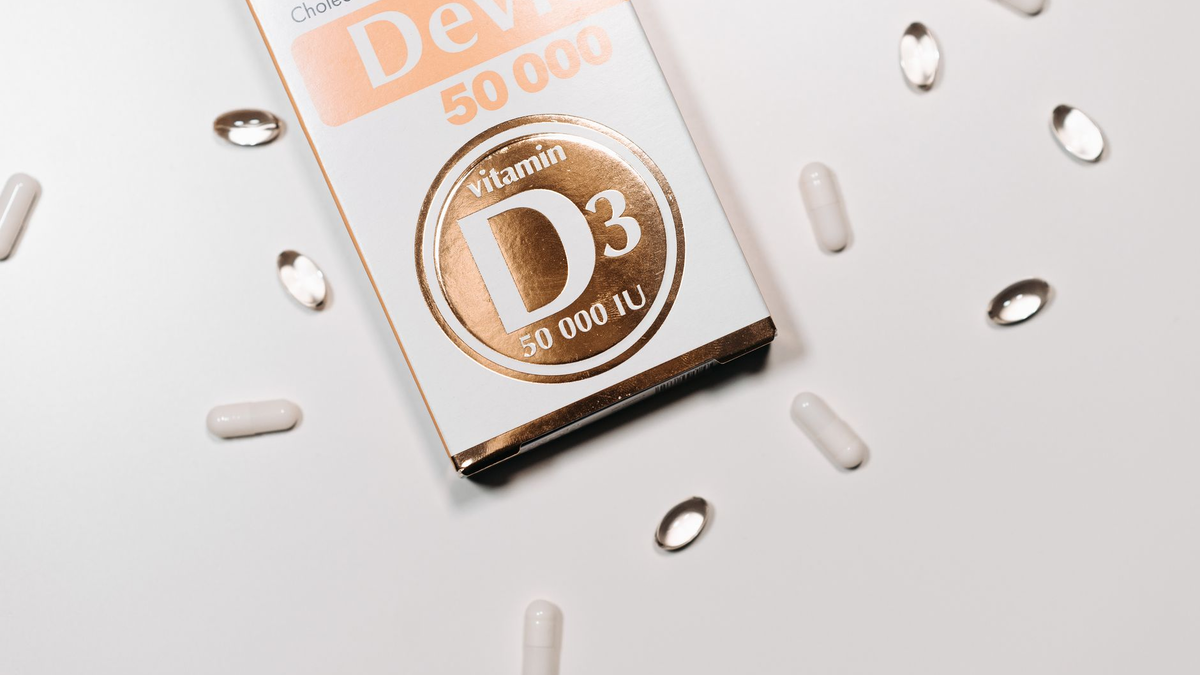
The 2025 nutraceutical analysis found signals for several nutrient or compound categories, including zinc, tryptophan, folate, curcumin, and combinations such as EPA plus DHA (PubMed). A separate 2024 Psychological Medicine review found that vitamin D supplementation was associated with short-term reductions in depressive symptoms, with stronger effects among people who already had depressive symptoms (PubMed).
But this is where supplement writing can go off the rails. A nutrient being involved in mood biology does not mean everyone should start taking it. Deficiency status, diet, lab results, kidney disease, calcium issues, medications, pregnancy, and dose all matter. Vitamin D, for example, can be harmful at excessive intakes. Folate can be clinically relevant, but it’s not a generic mood hack. Zinc and tryptophan can also run into medication and dosing issues.
Worth knowing: supplements are regulated by FDA as food, not drugs, and FDA warns that supplement ingredients can have strong biological effects, interact with medicines, or create risks for people with medical conditions (FDA).
That’s the boring sentence that should sit under almost every supplement claim.
Probiotics and the gut-brain angle need restraint #
The gut-brain connection is real enough to study. It’s also easy to oversell.
A 2025 BMC Psychiatry meta-analysis of 34 randomized controlled trials found a small pooled effect for gut microbiome-targeted treatments in patients with depression, with acceptable safety in the pooled analysis (PubMed). But the same body of research had plenty of limits: heterogeneity, small samples, differences by geography and comorbidity, and weaker or non-favorable results in some groups, including perinatal depression.
So probiotics and prebiotics belong in the “interesting but not ready for sweeping claims” category. If someone feels better with a specific product, great. That doesn’t prove the gut was “the cause” of their depression, and it doesn’t mean another person can copy the product and expect the same result.
People who are immunocompromised, seriously ill, or medically complex should be especially careful with probiotics. Again, not because probiotics are scary for everyone, but because vulnerability changes the risk calculation.
The clinician/pharmacist checkpoint #
Before trying a supplement for depressive symptoms, pause if any of these apply: you take antidepressants or other regular prescriptions, you’re pregnant or breastfeeding, you’ve been diagnosed with bipolar disorder, you have severe or worsening depression, you’re considering more than one supplement, you have kidney disease or major chronic illness, or you’re thinking about stopping prescribed treatment.
A clinician or pharmacist can check the thing most wellness articles skip: whether the option fits your actual medication list and health history.
And if you’re having thoughts of self-harm or feel at risk of acting on them, seek urgent help immediately through local emergency services, a crisis line, or a trusted healthcare professional. Natural approaches can be part of a broader plan for some people. They are not emergency care.
Bottom line #
The most honest answer is not “natural remedies for depression don’t work.” It’s also not “science found the few that do.” The truth is narrower and more useful.
Exercise has one of the stronger non-drug evidence bases, although it still needs to be realistic and tailored. St. John’s wort has evidence for mild-to-moderate depression, but its interaction risks are serious enough that it should never be treated casually. Saffron, SAMe, omega-3s, vitamin D, probiotics, and several nutraceuticals have varying degrees of promise, uncertainty, and safety baggage.
So, what’s the smart move? Treat the evidence as a conversation starter, not a permission slip. Depression care is personal, medical, and sometimes urgent. The better natural options are the ones that can survive both questions: does the evidence say anything real, and is it safe for this person, with this diagnosis, this medication list, and this level of symptoms?
Related
Vitamin D and Calcium Aren't Bone-Protection Insurance, New Evidence Says