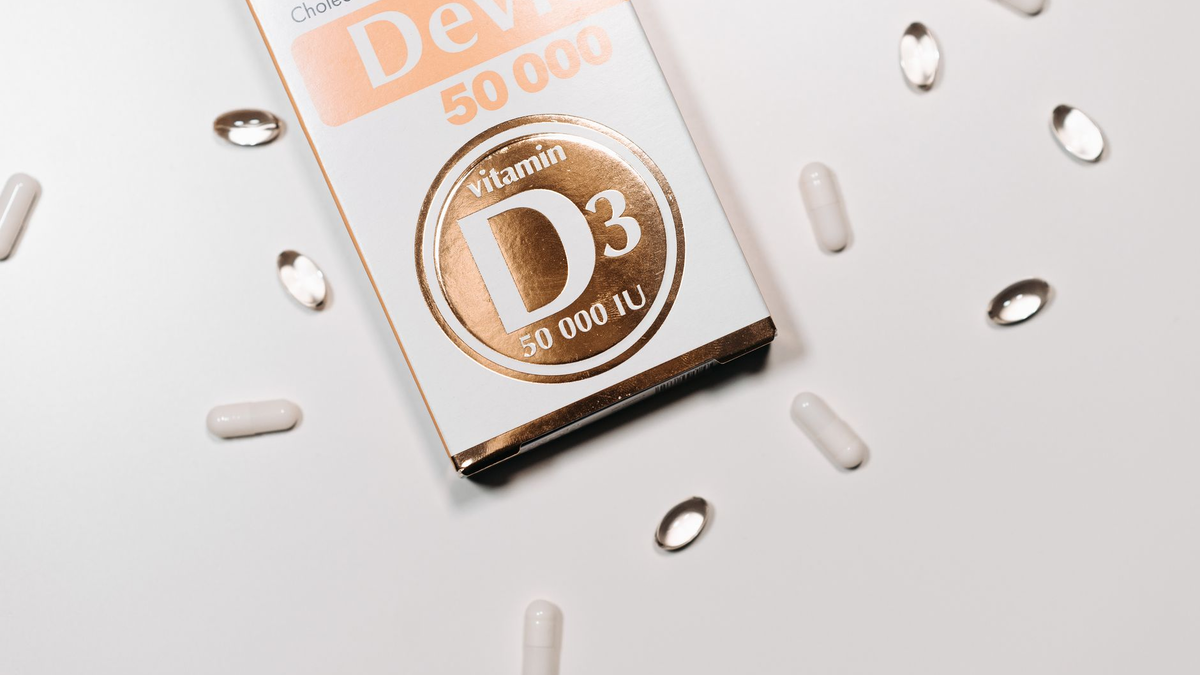
Vitamin D and Calcium Aren't Bone-Protection Insurance, New Evidence Says
Table of Contents
A lot of people take calcium and vitamin D with a quiet little bargain in mind: if I keep taking these, maybe my bones will hold up better later.
It’s an understandable bargain. Calcium and vitamin D really do matter for bone biology. Calcium is part of bone structure, and vitamin D helps the body absorb calcium and maintain mineral balance (National Academies/IOM). But a new 2026 BMJ systematic review makes the uncomfortable part harder to ignore: in adults like most of the people studied, routine calcium, vitamin D, or combined supplementation did not look like a dependable shortcut for preventing fractures or falls (PubMed).
And no, that doesn’t mean calcium and vitamin D are useless. It doesn’t mean you should stop something a clinician told you to take. It doesn’t apply neatly to deficiency treatment, diagnosed osteoporosis, rickets or osteomalacia risk, kidney and mineral-bone disorders, pregnancy guidance, or older adults in residential care.
That’s the whole point, really. Routine prevention is one question. Medical need is another.
What the new BMJ review found #
The 2026 BMJ review pooled 69 randomized trials involving 153,902 adults. Most trials were in community-dwelling people, and most participants were not classified as high risk for fractures or falls. The review also focused on adults not receiving drug treatment for osteoporosis (PubMed).
So this is not a study of every person who might ever need vitamin D or calcium. It’s much closer to the everyday supplement-aisle question: should generally community-dwelling adults take these nutrients as routine bone-protection insurance?
The answer was, basically, not with much confidence.
For “any fracture,” the review reported relative risks of 0.91 for calcium alone, 1.00 for vitamin D alone, and 0.91 for calcium plus vitamin D (PubMed). If risk ratios make your brain shut the door (fair), the practical translation is this: even where the numbers leaned in the right direction, the authors judged the benefit too small to be clinically meaningful for routine prevention.
Falls didn’t turn into a clean win either. The review found little to no effect across the fall and fracture outcomes it examined.
That fits a longer pattern. A 2017 JAMA meta-analysis of 33 randomized trials and 51,145 participants found no significant fracture-risk reduction from calcium, vitamin D, or both in community-dwelling adults older than 50 (PubMed). A Cochrane review also found vitamin D alone unlikely to prevent hip fracture or any new fracture in postmenopausal women and older men (PubMed).
So the BMJ paper isn’t a weird outlier. It’s more like another brick in the same wall.
Why “your body needs it” isn’t the same as “extra pills prevent fractures” #
This is where supplement marketing can get slippery.
Calcium matters. Vitamin D matters. Getting enough of both matters. But “necessary nutrient” and “proven preventive supplement” are not the same claim.
A person can need enough protein without needing a protein powder. They can need water without needing to force extra water all day. Same basic idea here, with a bone-health twist: if someone is deficient, undernourished, medically high-risk, or has a condition affecting absorption or bone metabolism, supplementation may be part of real care. But if someone is already broadly sufficient, taking more doesn’t automatically translate into fewer broken bones.
And fractures are not only about one nutrient. They can involve bone density, medications, balance, vision, muscle strength, frailty, home hazards, alcohol use, kidney function, hormone status, previous fractures, and plain bad luck. A tablet is a small tool. It isn’t a full fall-prevention plan.
That’s not anti-supplement. It’s just less magical than the label language sometimes sounds.
The people this evidence does, and doesn’t, speak to #
The safest reading is narrow.
If you’re a community-dwelling adult taking calcium or vitamin D on your own because it seems like sensible prevention, this evidence is directly relevant. It suggests the benefit for fracture or fall prevention may be much smaller than the “bone health” aisle implies.
But if a clinician recommended calcium or vitamin D for you, ask before changing it. There may be a specific reason: confirmed deficiency, osteoporosis or osteopenia management, very low dietary calcium, malabsorption, bariatric surgery history, a medication that affects vitamin D metabolism, limited sun exposure, chronic kidney disease or mineral-bone issues, or another factor that doesn’t fit the routine-prevention bucket.
Institutionalized or high-risk older adults are also an important exception category. Cochrane and Lancet evidence has left room for calcium plus vitamin D to help in some institutionalized or higher-risk groups, especially around hip fracture outcomes (Cochrane and Lancet Diabetes & Endocrinology). That’s a different situation from a lower-risk adult buying supplements “just in case.”
Pregnancy and breastfeeding also shouldn’t be folded into this takeaway. Prenatal and postpartum nutrition decisions need clinical guidance, not a blunt reading of adult fracture-prevention trials.
Annoying? A bit. But it’s safer than pretending one supplement headline covers everyone. For a broader earlier look at this evidence pattern, see AMZ’s calcium and vitamin D bone-health explainer.
Guidelines were already moving this way #
The U.S. Preventive Services Task Force recommends against daily supplementation with 400 IU or less of vitamin D plus 1,000 mg or less of calcium for primary fracture prevention in community-dwelling postmenopausal women (USPSTF).
For men, premenopausal women, and higher-dose calcium plus vitamin D in postmenopausal women, USPSTF says the evidence is insufficient. That’s easy to misread. “Insufficient” doesn’t mean proven useless, but it also doesn’t mean proven helpful.
The Endocrine Society’s prevention guideline is cautious too. It suggests against routine empiric vitamin D supplementation above normal dietary-reference intake for several generally healthy adult groups, while keeping separate nuance for older adults and pregnancy (Endocrine Society).
So if the new BMJ review feels surprising, it may be because the marketing has been louder than the guideline language.
The safety side isn’t dramatic, but it’s real #
Calcium and vitamin D can feel harmless because they’re familiar. They’re in food, fortified drinks, multivitamins, and basic health advice. Still, more is not automatically safer.
People with kidney disease, a history of kidney stones, abnormal calcium levels, hyperparathyroidism or other parathyroid disorders, sarcoidosis, or kidney/mineral-bone disorders should be especially careful about supplementing without guidance. Cochrane flagged renal adverse-effect concerns with vitamin D and calcium regimens, and a review in the Journal of Internal Medicine discussed kidney stones, gastrointestinal effects, weak anti-fracture efficacy, and possible cardiovascular concerns around calcium supplements (Cochrane and Journal of Internal Medicine).
Too much vitamin D or calcium can contribute to high calcium levels. Possible warning signs can include unusual thirst, frequent urination, nausea or vomiting, constipation, fatigue, muscle weakness, or confusion. Those symptoms can come from other causes too, so don’t self-diagnose from a list - get medical help if they show up or feel concerning.
Calcium supplements can also cause constipation, bloating, abdominal discomfort, or cramps. And one practical detail gets missed all the time: calcium can interfere with the absorption or timing of some medicines and minerals, including thyroid hormone, some antibiotics, bisphosphonates, and iron. If you’re taking regular medication, a pharmacist is a good person to ask about supplement and medication spacing.
Then there’s the heart question, which is messy. A 2019 umbrella review found a stroke signal for calcium plus vitamin D, while a 2023 randomized-trial meta-analysis found calcium supplementation was not associated with myocardial infarction, stroke, heart-failure admission, or cardiovascular or all-cause mortality (Annals of Internal Medicine and Heart, Lung & Circulation). So the honest line is mixed evidence, not “calcium causes heart attacks” and not “nothing to see here.”
One more thing: ordinary dietary supplements are not FDA-approved for safety and effectiveness before marketing in the same way drugs are. FDA says manufacturers and distributors are responsible for making sure products are safe and properly labeled, and structure/function claims need the familiar disclaimer that the product isn’t intended to diagnose, treat, cure, or prevent disease (FDA).
A supplement label can be useful. It isn’t a clinical outcome study.
A better question before buying another bottle #
Instead of asking, “Should everyone take calcium and vitamin D for bones?” ask: what problem am I trying to solve?
Low dietary calcium is one problem. Confirmed vitamin D deficiency is another. Osteoporosis risk, repeated falls, a previous fragility fracture, malabsorption, kidney disease, limited sun exposure, medication interactions, pregnancy, breastfeeding, and residential-care risk are all different problems again.
Some of those may call for food changes. Some may call for bloodwork, bone-density screening, fall-risk work, medication review, or treatment that has nothing to do with the supplement aisle. And yes, sometimes a supplement is appropriate. The difference is that it’s being used for a reason, not as a vague insurance policy.
Seek care rather than self-adjusting supplements if you’ve had unexplained fractures, repeated falls, height loss, bone pain, kidney stones, symptoms that could fit high calcium, or a real concern about deficiency or osteoporosis.
Bottom line #
Calcium and vitamin D are essential nutrients. But the new BMJ review, backed by older systematic-review and guideline evidence, makes a strong case that routine supplementation is not a reliable fracture or fall prevention shortcut for most community-dwelling adults studied.
That’s the middle path: don’t mock the supplements, and don’t romanticize them either. If you’re taking them because your clinician recommended them, keep the conversation clinical. If you’re taking them “just in case,” it may be time to ask what risk you’re actually trying to reduce.
Bone health is bigger than a bottle. Less convenient, sure. Also probably more honest.
Related

Calcium and Vitamin D for Bone Health: What a Major 2026 Review Actually Found