Yoga for Chronic Low-Back Pain: Better Than No Exercise, but Better Than Other Exercise?
Table of Contents
A yoga class might sound like a gentler answer to a back that won’t settle down. But the useful question isn’t simply whether yoga “works.” It’s what you’re comparing it with. Against no exercise, yoga produced small average gains for people with persistent, nonspecific low-back pain. Against back-focused exercise, the case for choosing yoga on medical grounds gets much thinner - and the pain comparison is too uncertain to call a tie.
This isn’t about a newly injured back or every possible cause of back pain. The research concerns adults with pain lasting at least 12 weeks without a specific identified cause. If that isn’t your situation, the numbers below aren’t a treatment plan for you. (NCCIH low-back-pain overview; Cochrane review)
Compared with no exercise, the average gains were small #
In a 2022 Cochrane review of 21 randomized trials involving 2,223 people, yoga was compared with non-exercise approaches such as usual care, education or a waiting list. At about three months, the yoga groups scored an average 1.69 points better for back-related function on a 24-point scale. The review’s threshold for a difference considered clinically important was five points. Pain scores averaged 4.53 points better on a 100-point scale; the corresponding threshold was 15 points. Those are differences between groups, not a promise about what one person’s back will feel like after class.
So yes, the review detected a benefit. It was smaller than its prespecified thresholds for a meaningful average difference. Someone may still feel that a modest change matters to them, but calling the average result dramatic would misrepresent it. The certainty of evidence was low for function and moderate for pain in this comparison. (Cochrane review abstract and estimates)
And there’s a practical wrinkle: usual care or education isn’t the same choice as an exercise program. If the real decision is between two ways of moving, that first comparison doesn’t settle it.
Compared with back-focused exercise, yoga hasn’t shown a clear edge #
In the 2022 Cochrane review, back-related function at three months probably differed little or not at all between yoga and back-focused exercise. The average difference was 0.38 points on that same 24-point scale, based on four trials and 575 people (moderate-certainty evidence). For pain, just two trials involving 326 people informed the comparison. The evidence there was very uncertain, so we can’t say yoga relieves pain more, less or exactly as much as the alternative exercise. “No proven difference” isn’t proof of identical results. (Cochrane review)
A 2026 review of seven trials comparing yoga with exercise-based interventions found no consistent advantage for pain or disability. It did report better physical function with yoga, but that result came from only two studies. Its authors call any superiority a preliminary observation, not a clinical conclusion. The reviews may share trials, so this isn’t an independent confirmation or a reason to discard the Cochrane result.
That distinction is easy to lose when someone says yoga is as good as physical therapy. A 2017 trial summarized by NCCIH found similar outcomes for its yoga and physical-therapy groups, but that trial is already part of the Cochrane evidence base. And it isn’t a separate second confirmation, or proof that the two approaches are interchangeable for every person.
The American College of Physicians guideline includes yoga and exercise among several initial nondrug options for chronic low-back pain. That’s a menu, not a ruling that yoga beats physical therapy. For someone choosing a class, availability, cost, comfort with the instructor and room for adaptation may matter more than a claimed yoga-specific advantage. That’s a practical judgment, not a finding that one format fits every back.
A sore back after class isn’t evidence you’re “working through it” #
More movement can come with more flare-ups. Increased back pain was the most commonly reported adverse event in the review. At six to 12 months, its estimated adverse-event rates were 43 per 1,000 in yoga groups versus nine per 1,000 in non-exercise groups (low-certainty evidence). Against back-focused exercise, the corresponding estimates were 84 versus 91 per 1,000, with no clear difference. Those figures describe reported adverse events, mostly increased back pain - not serious injuries. The included trials reported no yoga-associated serious adverse events, which isn’t a guarantee that serious harm can’t happen elsewhere. (Cochrane review)
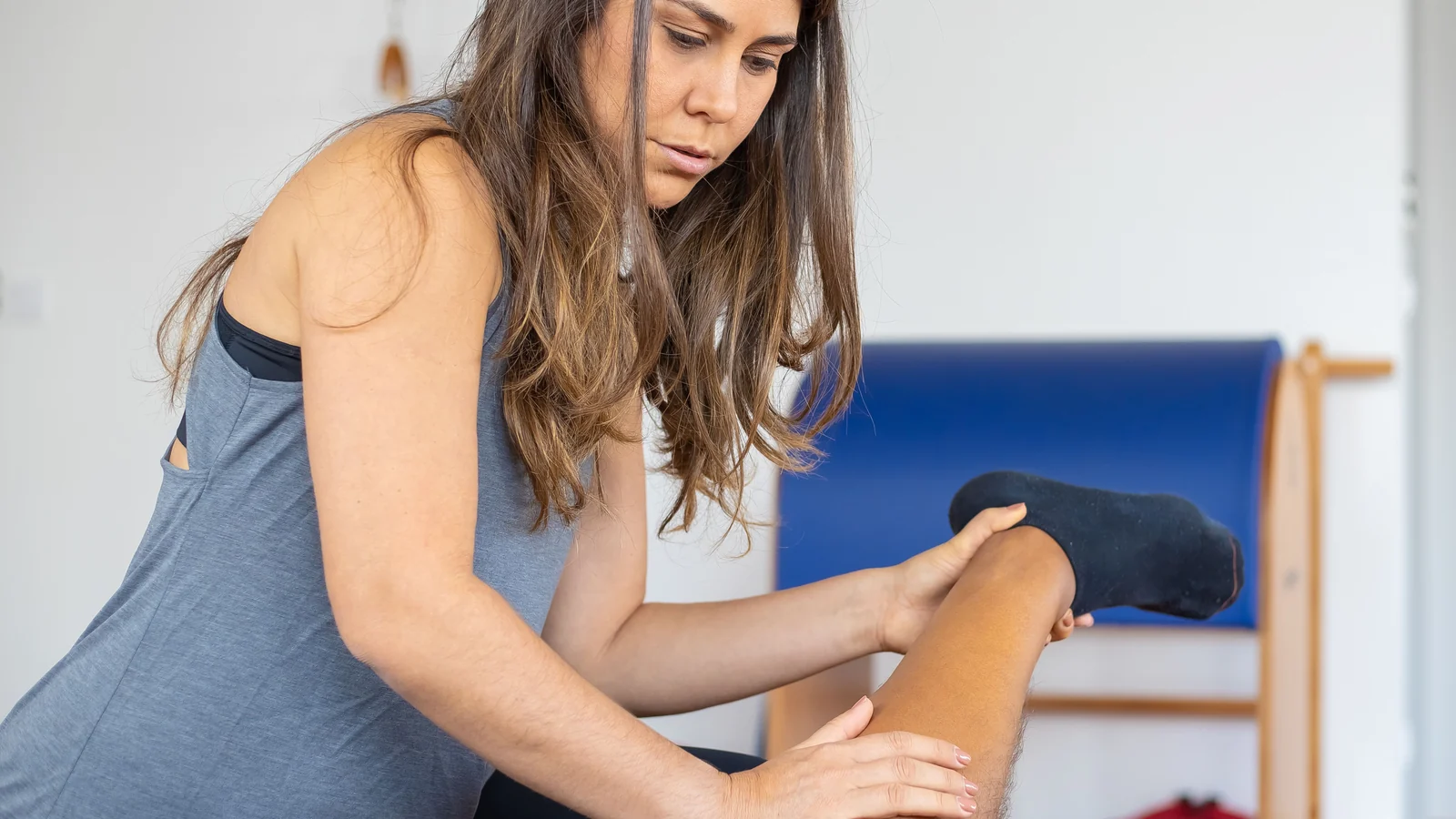
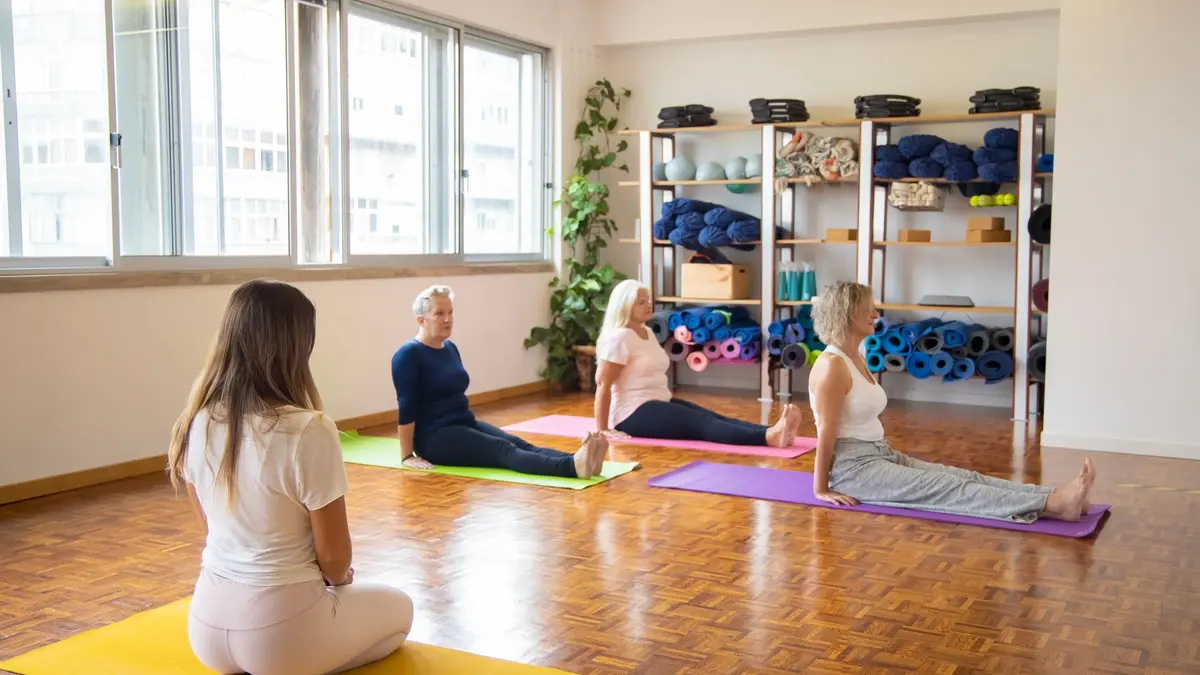
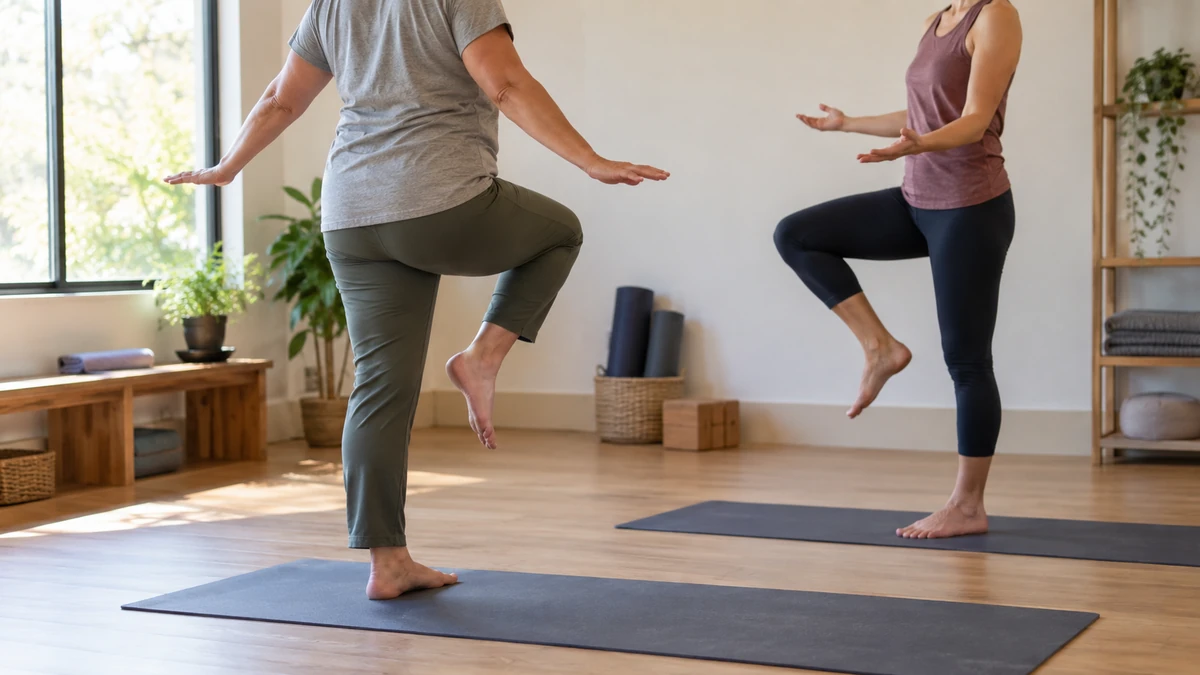
But a flare isn’t a cue to force the next pose. If a movement makes your pain worse, stop and ask a clinician or physical therapist whether it needs changing. A qualified yoga instructor can help adapt the practice; the particular classes studied weren’t a license to copy a random online routine. (NCCIH yoga safety guidance; Cochrane review)
Worth knowing: yoga combines postures with breathing and sometimes meditation, but those components aren’t proof of a particular back-pain mechanism. Nor do the trials establish a best pose, style or schedule. The Cochrane review searched studies through August 2021. A newer pooled review from 2026 exists, but its evidence for better function than other exercise rests on just two studies. Participants and instructors couldn’t be blinded, outcomes relied on people’s own reports, and the Cochrane review flagged a high risk of performance and detection bias across its trials. (NCCIH yoga overview; Cochrane review)
Before you sign up #
A back-pain class should leave room to say, “That movement doesn’t feel right for me.” Beginners, in particular, shouldn’t assume extreme inversions, lotus positions or forceful breathing belong in their practice; hot yoga also brings overheating and dehydration risks. An older adult, someone with an established lumbar-spine condition or balance problem, or a person who’s pregnant may need an adapted approach. Knee or hip injuries, severe high blood pressure and glaucoma can also change which practices make sense. Talk with a qualified health professional and instructor rather than treating any of those conditions as either an automatic ban on all yoga or a reason to press on unchanged. (NCCIH yoga safety guidance)
If you practice at home between classes, a plain non-slip mat such as the Gaiam Premium 6mm Yoga Mat (affiliate link) is enough. The trials tested supervised classes, not equipment.
As an Amazon Associate we earn from qualifying purchases. Our disclosure.
And if the back pain is new, distinctly worse, follows a significant fall or blow, or arrives with new bowel or bladder control problems, leg or buttock weakness or numbness, fever, unexplained weight loss or a cancer history, seek prompt medical assessment instead of testing it in a class. Those are reasons to check what’s going on, not signs that you need a deeper stretch. (MedlinePlus guidance on when to contact a clinician)
For an otherwise suitable adult with persistent nonspecific low-back pain, yoga can be one reasonable movement option. It isn’t a substitute for assessment, prescribed care or a physical-therapy plan you need. The honest pitch is narrower: small average gains over non-exercise, no consistent advantage over other back-focused exercise for pain or disability, and an early function signal resting on two studies. There’s no reliable answer yet on which is better for pain. Pick a format you can access and adapt safely - then discuss worsening symptoms or a stalled recovery with your clinician. (Cochrane review; 2026 review; ACP guideline)
Related
Exercise for Hip Osteoarthritis: Small Gains, Still Worth Discussing