Inulin and Knee Osteoarthritis Pain: A Gut-Pain Signal, Not an Arthritis Cure
Table of Contents
A small knee osteoarthritis trial has made prebiotic fiber sound much more exciting than fiber usually sounds. In the INSPIRE trial, published in Nutrients (DOI 10.3390/nu18050714) and indexed at PubMed, 117 adults with knee osteoarthritis were assigned for six weeks to inulin, digital physiotherapy-supported exercise, both, or a placebo supplement. The inulin arm showed a statistically significant short-term pain reduction versus placebo.
That’s interesting (honestly, more interesting than most fiber headlines). But it’s not a green light to call inulin an arthritis treatment, and it’s definitely not permission to swap an exercise plan for a scoop of fiber.
The safe read is narrower: one specific prebiotic fiber, used in one short trial, produced a knee-pain signal that lines up with a possible gut-pain or gut-muscle pathway. That makes it worth watching, carefully. It doesn’t make inulin a cure, a cartilage repair tool, or a substitute for clinician-guided osteoarthritis care.
What the trial actually tested #
The study tested inulin, a prebiotic fiber found naturally in foods such as chicory root and Jerusalem artichoke. Prebiotics are not the same as probiotics. Probiotics add live microbes; prebiotics are fibers and related compounds that gut microbes can ferment.
In this trial, researchers used 20 grams per day of inulin as the study protocol. That’s a study detail, not a dosage recommendation for readers. The comparison groups received digital physiotherapy-supported exercise, both inulin and exercise support, or 10 grams per day of maltodextrin placebo.
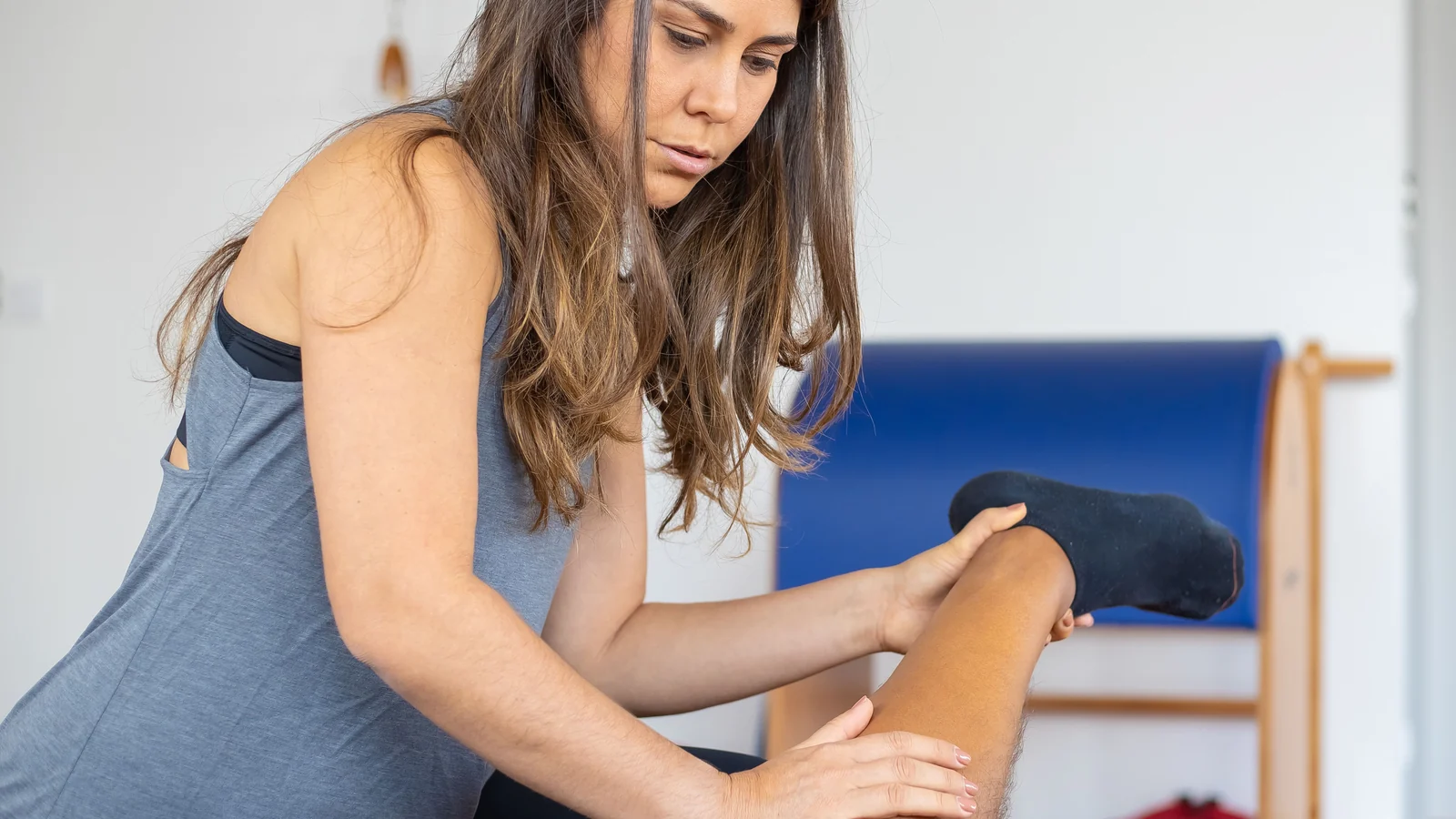
And the exercise part matters. The trial wasn’t set up as a simple “fiber versus physical therapy” showdown, even if some public headlines make that temptation hard to resist. Both inulin and digital physiotherapy-supported exercise reduced pain compared with placebo. The exercise-support arm actually had a larger reported pain difference in the abstract, while inulin had different secondary effects and higher retention.
So the practical takeaway isn’t “fiber beat physiotherapy.” It’s that the researchers saw two different short-term signals in the same knee osteoarthritis study.
The pain result was real, but modest #
For pain, inulin improved scores versus placebo by a baseline-adjusted mean difference of -1.11 on a numerical rating scale, with a 95 percent confidence interval from -2.18 to -0.04 and a p value of 0.045. In plain English (the useful version), that means the result just cleared statistical significance, but the confidence interval came close to no effect.
The digital physiotherapy-supported exercise arm also improved pain compared with placebo, with a reported mean difference of -1.55, a 95 percent confidence interval from -2.52 to -0.58, and a p value of 0.002.
That’s the kind of result that deserves attention without hype. If you’ve lived with nagging knee pain (or watched someone plan their whole day around stairs), a small pain shift can still matter. But a six-week study in 117 people can’t answer the larger questions: whether the effect lasts, who is most likely to respond, whether people with more severe osteoarthritis benefit, or whether the same thing happens with other fibers.
But it does give researchers something to chase.
Why the gut angle is getting attention #
The more unusual part of the study wasn’t just the pain score. Inulin also improved pressure pain thresholds, temporal summation, and grip strength compared with placebo. The exercise-support program, meanwhile, improved timed up-and-go and sit-to-stand outcomes.
Worth knowing: the inulin group also showed increases in serum butyrate and GLP-1. Butyrate is a short-chain fatty acid made when gut microbes ferment certain fibers. GLP-1 is a gut hormone better known now because of diabetes and weight-loss medicines, although that doesn’t mean an inulin supplement acts like those drugs.
The researchers also reported that higher GLP-1 was associated with improved grip strength. That’s a clue, not proof. It points toward a possible gut-muscle-pain pathway, but it doesn’t prove that microbiome changes caused the pain improvement. Bodies are messier than that, and pain especially is not a single-switch problem.
So yes, the gut-pain axis is the interesting story here. Yet the right word is “hypothesis,” not “answer.”
Why this is different from generic fiber claims #
AMZ has covered fiber, fermented foods, and inflammation-related biomarker stories before, including a separate kefir and prebiotic fiber inflammation-marker trial. This one is different because it looked at clinical knee osteoarthritis pain outcomes, not just general inflammatory markers or broad gut-health promises.
That distinction matters. A study finding that a diet pattern changes a biomarker doesn’t automatically mean a supplement reduces joint pain. And a knee osteoarthritis trial using inulin doesn’t tell us that any fiber powder, gummy, bar, or “joint health” blend will do the same thing.
Product specificity is one of the boring details that protects readers. Inulin type, source, amount, purity, tolerance, and adherence can all change the result. Supplements sold online or in stores may also differ from the product used in a study, a point the National Center for Complementary and Integrative Health makes in its consumer guidance on dietary supplements.
Exercise and standard care still stay in the picture #
Current osteoarthritis guidance still puts exercise, education, self-management, weight management where appropriate, and clinician-guided pain options at the center of care. The American College of Rheumatology and Arthritis Foundation guideline strongly recommends exercise for knee osteoarthritis, and OARSI guidance also includes structured land-based exercise as core non-surgical care. Cochrane review evidence supports land-based therapeutic exercise for reducing knee osteoarthritis pain and improving function.
Inulin doesn’t replace that.
If anything, this trial sits beside the exercise evidence, not above it. The physiotherapy-supported exercise group improved pain too, and the study wasn’t powered to prove that combining inulin and exercise creates an additive or synergistic benefit. So there isn’t a safe basis for saying “take both and you’ll get double the result.”
A more useful question is this: could gut-targeted nutrition someday become one part of a broader osteoarthritis plan for some people? Maybe. But we’re not there yet.
If you’re looking at joint supplements more broadly, AMZ’s earlier natural arthritis pain relief evidence review is a useful reminder that different ingredients sit in very different evidence lanes.
Safety: prebiotic fiber isn’t automatically gentle #
Because inulin is a food-derived fiber, it’s easy to assume it must be harmless. Not quite.
Supplemental inulin can cause gas, bloating, cramping, rumbling, loose stools, or plain old digestive discomfort, especially if someone starts abruptly or uses higher amounts. Human inulin research has reported increased bloating in some participants, and broader reviews of inulin-type fructans describe gastrointestinal side effects that vary by dose, type, and person.
People with IBS or FODMAP sensitivity may be more likely to feel worse with inulin because it is a fermentable fructan. And readers with inflammatory bowel disease, significant gut disorders, bowel obstruction or stricture history, recent GI surgery, severe constipation, or complex metabolic conditions should not treat concentrated prebiotic fiber as a casual experiment.
One more thing: fiber supplements can affect tolerability and, for some medicines, absorption timing. Anyone taking regular medications should ask a pharmacist or clinician whether fiber needs to be separated from those medicines. People who are pregnant, breastfeeding, or choosing supplements for children should also be cautious, since many supplements are not well tested in those groups.
And knee symptoms themselves need common sense. Sudden swelling, fever, injury, instability, rapidly worsening pain, or inability to bear weight should be medically assessed. A supplement shouldn’t delay diagnosis or care.
Bottom line #
The inulin study is promising because it connects a real knee osteoarthritis pain outcome with a plausible gut-pain-axis signal. That’s more specific than the usual “fiber lowers inflammation” wellness fog.
But the limits are just as important as the result. This was one short randomized trial, not guideline-level evidence. It doesn’t show that the fiber is an arthritis treatment, improves joint structure, takes physiotherapy’s place, or works for all knee pain. It also doesn’t prove that butyrate, GLP-1, or microbiome changes caused the pain improvement.
So the fair read is cautious and curious: inulin may become part of a future conversation about osteoarthritis pain and the gut, but for now it’s a research signal, not a treatment plan.
Sources include the Nutrients INSPIRE trial (DOI 10.3390/nu18050714), its PubMed record, NCCIH supplement safety guidance, the American College of Rheumatology and Arthritis Foundation osteoarthritis guideline, OARSI guidance, Cochrane evidence on exercise for knee osteoarthritis, and PubMed-indexed reviews and trials on inulin tolerability, inulin fructans and gut effects, and prebiotics in IBS and functional bowel disorders.
Related
Berberine in 2026: What the Evidence Actually Shows (and What It Doesn’t)