FDA Warning: Some Tejocote Root Weight-Loss Supplements May Actually Contain Toxic Yellow Oleander
Table of Contents
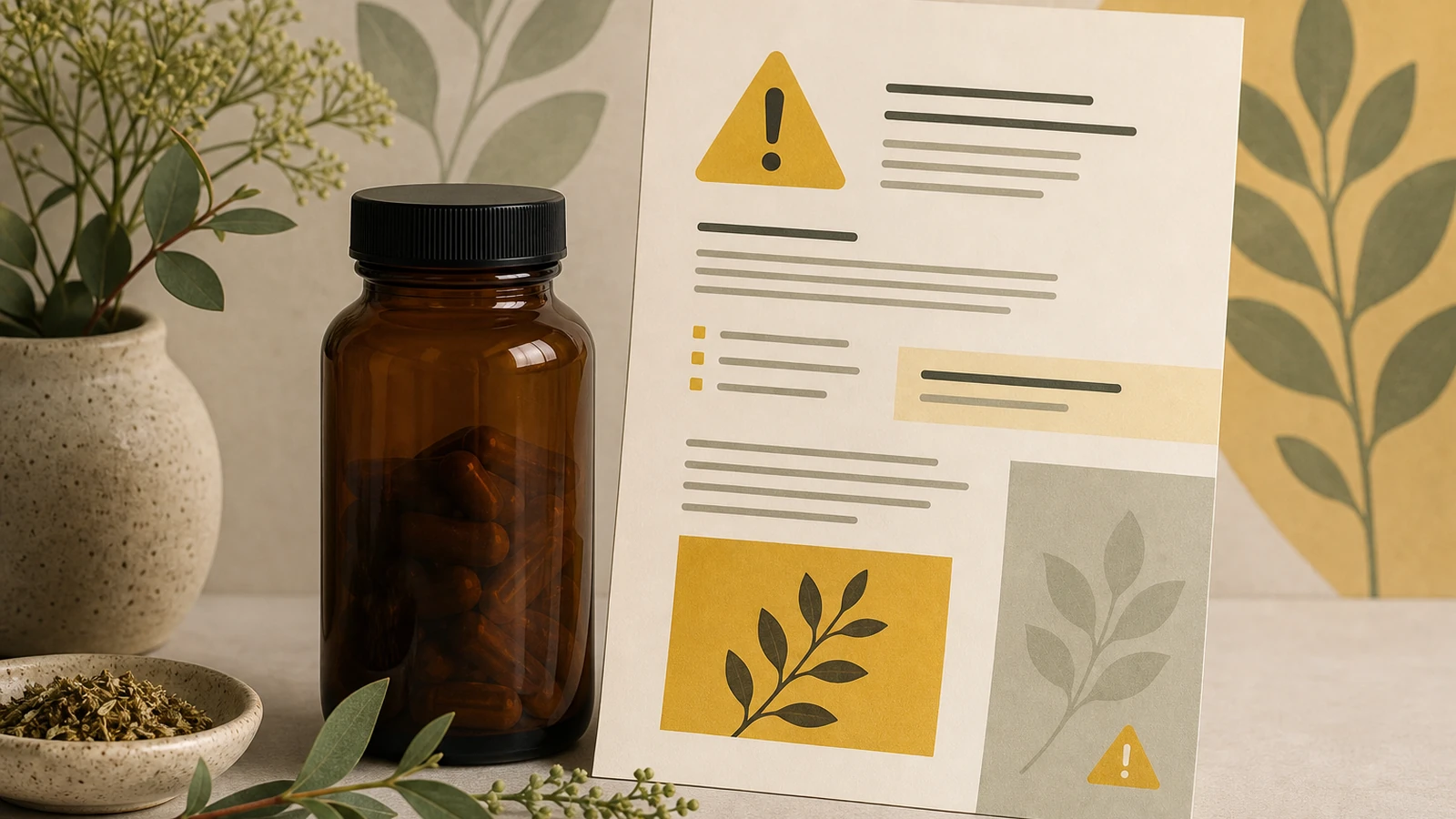
If you bought a supplement labeled as tejocote root, Mexican hawthorn, Brazil seed, Semilla de Brasil, or Nuez de la India for weight loss, don’t treat this as an ordinary “is it worth taking?” supplement question. The FDA has tested a growing list of products sold under tejocote-related names and found toxic yellow oleander in them instead. Its current safety alert, updated March 11, 2026, says these products can cause neurologic, gastrointestinal, and cardiovascular effects that may be severe or even fatal. (FDA)
So the practical advice comes first: check the FDA’s tested-product table, stop using any implicated product, and contact a health professional if you’ve taken one. If serious symptoms are happening, get emergency medical help right away. For exposure concerns in the U.S., contact poison control through Poison Help at 1-800-222-1222. And if you suspect an adverse event, report it through FDA’s consumer complaint/adverse-event channels. (FDA MedWatch)
That might sound blunt for an article on an alternative-medicine site. But this is exactly where blunt helps.
This is a substitution warning, not a tejocote weight-loss endorsement #
Tejocote is commonly described as Mexican hawthorn, or Crataegus mexicana. Online sellers have marketed products labeled as tejocote root for weight loss, often with laxative-style promises or “natural slimming” language. The FDA and CDC issue here isn’t that tejocote has suddenly been proven useful for weight loss. It hasn’t, at least not from the source base behind this warning.
The issue is product identity.
CDC reported in 2023 that New Jersey investigators and FDA labs tested 10 products labeled as tejocote root after a poisoning case. Nine of the 10 were found to be yellow oleander, with no evidence of tejocote root. That’s a small, targeted sample - not a market-wide prevalence study - but it’s a strong public-health signal when the substitute plant is poisonous. (CDC MMWR)
And the FDA has kept adding products to its own safety alert as additional testing found yellow oleander. The agency says it’s concerned other products marketed as tejocote root, including names such as Crataegus mexicana, Raiz de Tejocote, and Mexican hawthorn, may also contain yellow oleander. (FDA)
That distinction matters. It’s not accurate to say “tejocote root is yellow oleander.” It’s more precise, and more useful, to say that some products labeled as tejocote or related weight-loss botanicals have tested as yellow oleander.
Why yellow oleander is different from a routine supplement risk #
Yellow oleander (Cascabela thevetia, also known in older literature as Thevetia peruviana) contains cardiac glycosides. These compounds can interfere with the heart’s electrical signaling in a digoxin-like way. Toxicology reviews describe yellow oleander poisoning as a problem that can involve vomiting, dizziness, slow heart rate, heart block, dangerous rhythm changes, and electrolyte problems. (British Journal of Clinical Pharmacology review)
In plainer language: this isn’t just “my stomach didn’t like that capsule.” The concern is that a product bought for weight loss could disrupt heart rhythm.
The CDC case that kicked off the warning is a hard one to forget. A 23-month-old child developed vomiting, low blood pressure, slow heart rate, and ECG changes after ingesting a parent’s product marketed as tejocote root. Clinicians treated the child as a cardiac glycoside poisoning case. (CDC MMWR)
And yes, that’s a pediatric case. But the lesson for adults isn’t “only toddlers are at risk.” It’s that these products can end up in homes, purses, kitchen cabinets, and bedside drawers under a harmless-looking supplement label.
Names to watch on labels #
FDA’s table is the authority here, because product names, sellers, websites, and recall status can change. Still, the names that should make a reader slow down include tejocote, Crataegus mexicana, Raiz de Tejocote, Mexican hawthorn, Brazil seed, Semilla de Brasil, and Nuez de la India.
Some listed products were sold through third-party online marketplaces or seller websites. FDA’s tested-product table has included brands and products such as Chupa Panza, SdB Semilla de Brasil Tejocote Root, SiluetaYa Mexican Tejocote Roots, VidaSlim, Primor Health Optimus Weight, Brazil Seed Semilla de Brazil, Alipotec-related tejocote products, Tejocotex, and others. But don’t rely on that sentence as a complete list - it’s exactly the kind of list that can go stale. Use the FDA page before making a decision about a product in your hand. (FDA)
One more thing: don’t try to identify “real” tejocote versus yellow oleander by appearance. That’s not a safe consumer test. The FDA and CDC findings came from analytical testing, not from someone eyeballing dried roots in a bag.
What to do if you have one of these products #
Start simple. If the product appears on FDA’s tested-product list, don’t keep taking it. Dispose of it. FDA has told consumers to avoid the products because they’ve been tested and found to contain toxic yellow oleander. (FDA)
If you’ve already taken one, FDA MedWatch says to contact your health care provider immediately so an evaluation can be done, even if you haven’t used it recently. That can feel like overkill if you feel fine (I get why people hesitate), but this isn’t a routine herbal side-effect question. It’s a possible toxic substitution question. (FDA MedWatch)
If serious symptoms occur, call 911 or get emergency medical help. FDA’s warning language includes possible symptoms such as nausea, vomiting, dizziness, diarrhea, abdominal pain, cardiac changes, and dysrhythmia. Don’t use that list as a home diagnosis checklist. Use it as a reason not to wait around if something feels wrong. (FDA MedWatch)
And if there’s an exposure concern but you’re not sure whether it’s an emergency, poison control is built for exactly that kind of question. In the U.S., the Poison Help line is 1-800-222-1222.
Who should be extra cautious #
Everyone should take this warning seriously, but a few groups have less room for error: people taking heart medications, blood pressure drugs, diuretics, digoxin, antiarrhythmics, or medicines that affect potassium or heart rhythm; people with heart disease or kidney disease; pregnant or breastfeeding readers; and households with children or pets.
That doesn’t mean everyone else is safe. It means these situations make the “please don’t wing it” advice even stronger.
Because yellow oleander can produce cardiac glycoside toxicity, clinicians may need to know about supplement use even when a product was sold as something else. Bring the package, bottle, screenshot, or purchase record if you seek care. Not for DIY detective work - for the people treating you.
Why the label didn’t protect buyers #
A supplement label can look official without meaning FDA checked the product before it was sold. FDA’s dietary supplement Q&A explains that, in general, the agency doesn’t approve dietary supplements before they go to market. Manufacturers and distributors are responsible for making sure products are safe and properly labeled, and FDA can take action when problems come up. (FDA dietary supplement Q&A)
So no, supplements aren’t “completely unregulated.” That phrase is too sloppy. But the system doesn’t work like premarket drug approval either. For online weight-loss supplements with shifting sellers and third-party listings, the gap between label promise and bottle contents can be real.
This is also why “buy a trusted brand” isn’t enough advice here. FDA’s list includes different firms, websites, and recall statuses. Some firms recalled products; some didn’t commit to recalls; some were unreachable. That’s not a buyer-friendly situation.
Bottom line #
Products labeled as tejocote root, Mexican hawthorn, Brazil seed, Semilla de Brasil, or Nuez de la India shouldn’t be treated as casual natural weight-loss aids when FDA and CDC have documented yellow oleander substitution in tested products. The safer move is boring but clear: check FDA’s current table, stop using implicated products, contact a health professional if you took one, use emergency care or poison control when needed, and report adverse events.
Natural doesn’t mean harmless. And in this case, the bigger problem may be even simpler: the product may not be what the label says.
Related
Tea and Longevity: Why Preparation Matters More Than the Halo
Tea's Health Halo Changes When It's Bottled, Sweetened, or Turned Into Boba