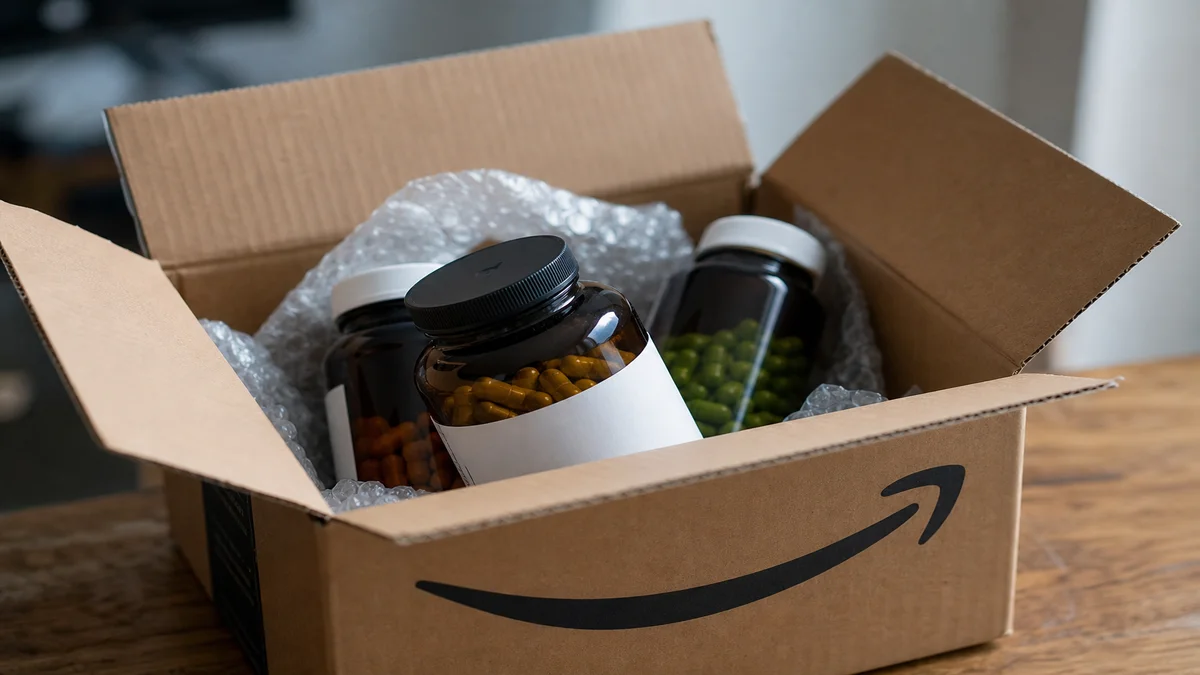
You probably don’t think twice about ordering socks, a phone charger, or a bag of coffee from Amazon. The listing looks the same. The reviews are there. Prime shipping makes the whole thing feel routine.
But supplements aren’t socks. And if you’ve been treating that bottle of capsules, gummies, or slimming tea the same way you treat a household restock - well, you’re not alone. That’s the problem.
Because here’s what the label and the reviews cannot tell you: whether the product contains an undeclared drug, a banned stimulant, or a naturally occurring plant toxin that’s been linked to kidney failure and cancer. And in the U.S., dietary supplements usually reach the market without FDA pre-approval (FDA Q&A on Dietary Supplements). The agency can act after the fact - warning letters, recalls, public notifications - but it doesn’t sign off on a supplement the way it does on a prescription drug.
That distinction matters more than most people realize.
The label is marketing, not a safety certification#
“Natural.” “All-natural.” “Herbal formula.” These are marketing words, and they’re effective. They signal purity, tradition, something gentler than a pharmaceutical. But the word “natural” has never been a guarantee that a product is drug-free, contaminant-free, or safe for you specifically.
The FDA’s position is clear: the agency does not routinely analyze every supplement’s contents (FDA Q&A on Dietary Supplements). It has limited resources and its tainted-product notification lists - the public warning pages you can check online - cover only a small fraction of contaminated products. So not showing up on an FDA warning page is not the same as being verified safe.
And those five-star reviews? Don’t bet your health on them. The FDA has explicitly noted that tainted products may have multiple positive reviews and be shared through social media (FDA Sexual Enhancement and Weight Loss Product Notifications). People leave reviews based on whether the package arrived and whether they felt something - not on whether a lab tested the contents.
The categories that keep showing up in FDA warnings#
If you scan the FDA’s public notices and the research literature, the same supplement categories appear over and over. Not every product in these categories is tainted - but these are where the documented problems concentrate.
Sexual enhancement products. The FDA warns that many sexual enhancement and energy products are likely contaminated with dangerous hidden ingredients and may be falsely advertised as dietary supplements, food, or all-natural treatments (FDA Sexual Enhancement Product Notifications). A 2023 review identified 112 unapproved PDE-5 inhibitors in these products between 2003 and mid-2023 (Kee et al., Food Additives & Contaminants, 2023). That’s the same drug class as sildenafil and tadalafil. Another review found that herbal-marketed sexual-enhancement supplements can expose consumers to severe adverse events - liver injury, kidney failure, pulmonary embolism, stroke, death (ElAmrawy et al., Fundamental & Clinical Pharmacology, 2021).
Weight-loss products. Diet pills, fat-burning capsules, slimming teas - FDA warns these are likely contaminated with dangerous hidden ingredients too (FDA Weight Loss Product Notifications). A review of the literature found sibutramine, a drug that was withdrawn from the U.S. market over cardiovascular safety concerns, as a common undeclared adulterant in slimming products (Rocha et al., Food and Chemical Toxicology, 2017).
Bodybuilding and muscle-building products. A JAMA Network Open analysis of FDA-warning data from 2007-2016 found 776 adulterated dietary supplements, most marketed for sexual enhancement, weight loss, or muscle building - with hidden ingredients including synthetic steroids and steroid-like drugs (Tucker et al., JAMA Network Open, 2018).
Pain and arthritis products. FDA warns these could contain dangerous hidden ingredients - prescription NSAIDs, steroids, or other active drugs not listed on the label (FDA Pain and Arthritis Products Containing Hidden Ingredients).
And the pattern holds across platforms. The FDA says these products are sold online and in stores. Amazon is the big, familiar marketplace where millions of people shop - but the underlying risk isn’t unique to any one retailer.
When the hidden ingredient is a real drug, not an herb#
Here’s where it gets concrete. The undeclared ingredients in these products are not obscure herbs or trace contaminants. They’re pharmacologically active drugs.
In sexual enhancement products, the hidden ingredient is often a PDE-5 inhibitor - sildenafil, tadalafil, or an unapproved analogue designed to mimic them (Kee et al., 2023). That’s a problem, especially for anyone taking nitrates for chest pain or heart conditions. The interaction can cause a dangerous blood pressure drop. You can’t screen for that risk if you don’t know the drug is there.
In weight-loss products, the hidden ingredient is frequently sibutramine - a drug withdrawn from the U.S. market because it increased cardiovascular event risk in clinical trials. Or it’s a stimulant-like compound. Either way, a person takes a drug they didn’t consent to, at an unknown dose, possibly on top of other medications.
The NCCIH - the National Center for Complementary and Integrative Health, part of NIH - warns that supplements can interact with medications and pose risks with medical conditions, surgery, pregnancy, nursing, or in children (NCCIH, Using Dietary Supplements Wisely). That warning gets a lot heavier when the “supplement” contains an undeclared pharmaceutical.
Sometimes the poison is natural too#
If hidden drugs are one risk category, toxic botanical compounds are another - and they’re harder to spot because “natural” sounds like the opposite of danger.
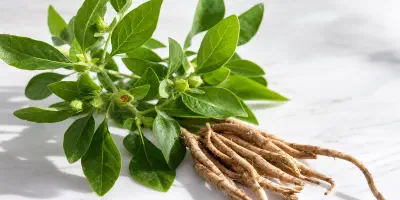
Aristolochic acids are naturally occurring compounds found in certain Aristolochiaceae plants. A 2022 review in Nature Reviews Cancer documented the link between aristolochic acid exposure and severe nephropathy - kidney damage - plus urological and hepatobiliary cancers (Campbell et al., Nature Reviews Cancer, 2022). The review noted that products containing these compounds continue to be manufactured and marketed globally with inadequate regulation. The plant is natural. The outcome isn’t.
And here’s a less exotic example that might be sitting in your kitchen. Green tea extract - the concentrated form sold in capsules and powders - has documented liver-injury concerns. A U.S. Pharmacopeia review found case reports of hepatotoxicity, substantial individual variability in susceptibility, and recommended cautionary labeling for powdered decaffeinated green tea extract (Oketch-Rabah et al., Toxicology Reports, 2020). The brewed tea most people drink isn’t the problem - it’s the concentrated extract, especially on an empty stomach or in people with certain genetic susceptibilities.
The point isn’t to make anyone afraid of tea. It’s to show that “natural” and “safe” aren’t synonyms - and that concentration, preparation method, and individual biology all matter.
A safer way to think about supplement shopping#
None of this means you should throw out every bottle in your cabinet. NCCIH notes that some dietary supplements may have benefits when chosen appropriately (NCCIH, Using Dietary Supplements Wisely). The goal isn’t to scare people off supplements entirely. It’s to stop treating the word “natural” like a lab report.
A few habits that make a real difference:
- Ignore the miracle claims. If a product promises rapid weight loss, instant muscle gains, or overnight sexual performance changes, the marketing is already telling you to be suspicious. FDA and NCCIH keep flagging exactly these kinds of promises.
- Check the FDA’s tainted-product pages, but don’t treat absence as proof. The FDA notification lists cover only a fraction of contaminated products. Use them as a starting point, not a clean bill of health.
- Look for third-party seals - knowing their limits. USP, NSF, Informed Choice, and similar certifications reduce some quality risks - they verify that what’s on the label is in the bottle and that certain contaminants aren’t. But they don’t prove a product treats disease or is safe for every person.
- Talk to a clinician or pharmacist if you’re on medications, pregnant, breastfeeding, managing a chronic condition, scheduled for surgery, or giving a supplement to a child. NCCIH is explicit on this point, and it’s the single most important safety step.
- Report problems. If you experience chest pain, fainting, severe headache, jaundice, dark urine, severe abdominal pain, allergic symptoms, or neurological symptoms after taking a supplement, stop using it and seek medical help. You can report adverse events through the FDA Safety Reporting Portal (FDA Safety Reporting Portal).
Supplements aren’t the enemy. But buying them the way you buy toilet paper - trusting the marketplace, the reviews, the word “natural” - is a habit worth breaking. The safer question isn’t “is it natural?” It’s “what else am I taking, and who should not use this?”