Green tea is one of the most consumed beverages on the planet. The epidemiological evidence is solid: people who regularly drink green tea have lower rates of cardiovascular disease and certain cancers in large population studies. But green tea extract - the concentrated form sold in weight-loss pills, energy supplements, and “fat burner” stacks - isn’t green tea. And the difference matters for your liver.
The extract is not the beverage#
A cup of brewed green tea contains about 50-100 mg of catechins, the polyphenolic compounds responsible for most of tea’s health effects. The most abundant and most studied catechin is epigallocatechin gallate (EGCG). Green tea extract supplements can contain 500-1,000 mg of EGCG per dose - equivalent to drinking 10-20 cups of green tea at once.
At those concentrations, EGCG becomes hepatotoxic. The mechanism involves oxidative stress in liver cells. EGCG at high doses generates reactive oxygen species in hepatocytes, depletes glutathione (the liver’s primary antioxidant defense), and triggers mitochondrial damage. In simple terms: the compound that gives green tea its antioxidant reputation at low doses becomes a pro-oxidant at high doses, overwhelming the liver’s ability to handle it.
The risk is substantially higher when extracts are taken on an empty stomach. Fasting increases peak plasma EGCG concentrations by roughly 3-4 fold compared to taking the same dose with food. This is why many of the published case reports of liver injury note that the person took the supplement before breakfast or between meals - often following the product’s own instructions.
The case reports are not theoretical#
The United States Pharmacopeia (USP) reviewed 216 case reports of adverse events associated with green tea extract. Of those, 34 concerned liver damage. Some cases resolved after discontinuation. Others required hospitalization. A small number progressed to acute liver failure requiring liver transplant.
A 2022 case report and literature review in the Journal of Clinical and Experimental Hepatology documented more than 200 cases of liver injury associated with green tea preparations published over the preceding 30 years. The pattern is consistent: symptoms appear within weeks to months of starting the supplement, liver enzymes spike (ALT and AST often in the hundreds to thousands), and most people recover after stopping. But “most” isn’t all.
The best-known regulatory action involved Exolise, a green tea extract weight-loss product marketed in France and Spain. It was withdrawn from the market in 2003 after 13 cases of acute liver damage were reported. Hydroxycut, a weight-loss supplement that contained green tea extract among other ingredients, was recalled in 2009 after 23 reports of liver injury, including one death and one transplant. (Hydroxycut has since been reformulated and returned to market without the green tea extract component that was in some of its earlier formulations.)
Other products have drawn FDA warning letters - not for the extract itself (the FDA doesn’t pre-approve supplements), but for claims made about them that cross the line into drug territory. The FDA’s MedWatch database continues to accumulate adverse event reports for green tea extract supplements.
What the regulatory bodies say#
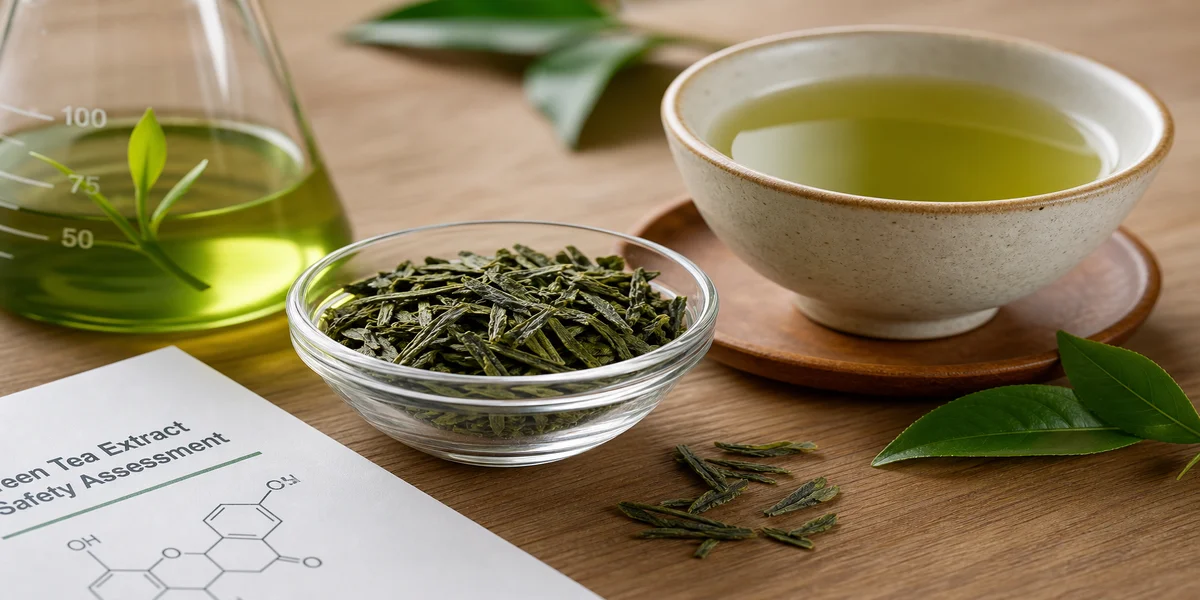
The European Food Safety Authority (EFSA) published a comprehensive safety assessment of green tea catechins in 2018. Their conclusion: green tea infusions and similar drinks are generally safe, but food supplements providing more than 800 mg of EGCG per day are associated with signs of liver damage. EFSA noted that they couldn’t establish a safe intake level for green tea extract supplements based on the available data - meaning they couldn’t identify a dose below which liver injury risk definitively disappears.
Health Canada conducted its own review and concluded that there may be a link between green tea extract use and a risk of rare and unpredictable liver injury. Canadian regulations now require green tea extract products exceeding certain EGCG thresholds to carry liver injury warnings.
New Zealand’s Medsafe published a safety communication noting the USP’s findings and reminding prescribers to ask patients with elevated liver enzymes about supplement use. Several Nordic countries raised the initial concerns that prompted EFSA’s assessment, after clusters of liver injury cases associated with green tea products were reported.
The FDA has not taken comparable regulatory action. But the lack of FDA action on supplements reflects regulatory structure, not safety - the agency doesn’t have pre-market authority over dietary supplements the way it does over drugs. A product can be legally sold without the FDA ever evaluating its safety.
Who’s at highest risk#
Not everyone who takes green tea extract develops liver problems. The vast majority don’t. But certain factors increase susceptibility:
Fasting. Taking green tea extract on an empty stomach increases peak plasma EGCG by 3-4 fold. Most case reports involve people who took the supplement without food.
Genetics. Variations in catechol-O-methyltransferase (COMT), the enzyme responsible for metabolizing catechins, affect how efficiently the body clears EGCG. People with less active COMT variants may accumulate higher EGCG levels from the same dose. This isn’t something you’d know without genetic testing, which makes it a hidden risk factor.
Concurrent liver stressors. Combining green tea extract with other supplements or medications that affect the liver - including alcohol, acetaminophen, certain antibiotics, and other herbal supplements with hepatotoxic potential - increases risk. The supplement stacks common in weight-loss and bodybuilding products often combine multiple compounds with known or suspected liver effects.
Pre-existing liver conditions. People with fatty liver disease, hepatitis, or other liver conditions have less hepatic reserve to handle additional stress.
Dose and duration. Risk increases with higher doses and longer use. The EFSA threshold of 800 mg EGCG per day doesn’t mean anything below that is guaranteed safe, and the risk doesn’t suddenly appear the moment you cross it. It’s a dose-response relationship, not a binary switch.
Most case reports involve women, though it’s unclear whether this reflects biology or usage patterns - women are consistently more likely than men to use weight-loss supplements in general.
Why drinking green tea is safe#
Brewed green tea delivers catechins slowly, in amounts the liver can metabolize without accumulating toxic levels. A cup of tea also contains other compounds - theanine, for example - that extracts may lack. And the volume of fluid consumed with tea effectively dilutes the catechins and slows absorption.
The epidemiological evidence for green tea’s health benefits comes almost entirely from beverage consumption, not extracts. Studies following tens of thousands of people over decades find that regular tea drinkers have better cardiovascular outcomes and lower cancer risk. Those studies don’t show liver injury signals, because drinking tea doesn’t produce the concentrated EGCG exposure that extracts do.
The extract was created to deliver the “active ingredient” in a convenient form. But in isolating and concentrating EGCG, the supplement industry created a product with a fundamentally different safety profile than the beverage it came from. It’s a pharmacological intervention wearing a food-label costume.
How to reduce risk if you still choose to use extracts#
If you’re determined to use a green tea extract supplement, take it with food. This single change reduces peak EGCG plasma concentration by roughly 75 percent and is the most impactful risk-reduction step available.
Check the label for specific EGCG content. Many products list total catechins or “green tea extract” without breaking out EGCG. If the manufacturer can’t tell you how much EGCG is in each dose, that’s a red flag - and it’s unfortunately common.
Keep total daily EGCG intake below 300 mg per day. This is well below the 800 mg/day threshold that EFSA identified as associated with liver injury, leaving a substantial safety margin for individual variability.
Avoid combining green tea extract with other supplements or medications known to affect liver function. And if you’ve been taking a high-dose extract for a while, mention it at your next doctor’s visit. Liver enzyme elevations from green tea extract can be asymptomatic until they’re not - the person who discovers their ALT is at 400 after a routine blood test got lucky.
Bottom line#
Green tea is safe. Green tea extract at high doses - particularly on an empty stomach - can damage your liver. This isn’t a rare theoretical risk. It’s in the published case reports, the regulatory assessments, and the product recalls. If you’re using a green tea supplement for weight loss or energy, check the EGCG content, take it with food, and keep the dose modest.
Better yet, drink the tea. The health benefits come from the beverage, not the extract. A few cups of brewed green tea give you catechins at doses your liver can handle, along with compounds the extracts leave behind. Sometimes the original is better than the concentrate.